International Moving Costs to Canada in 2026: Shipping Containers, Air Freight, and Storage
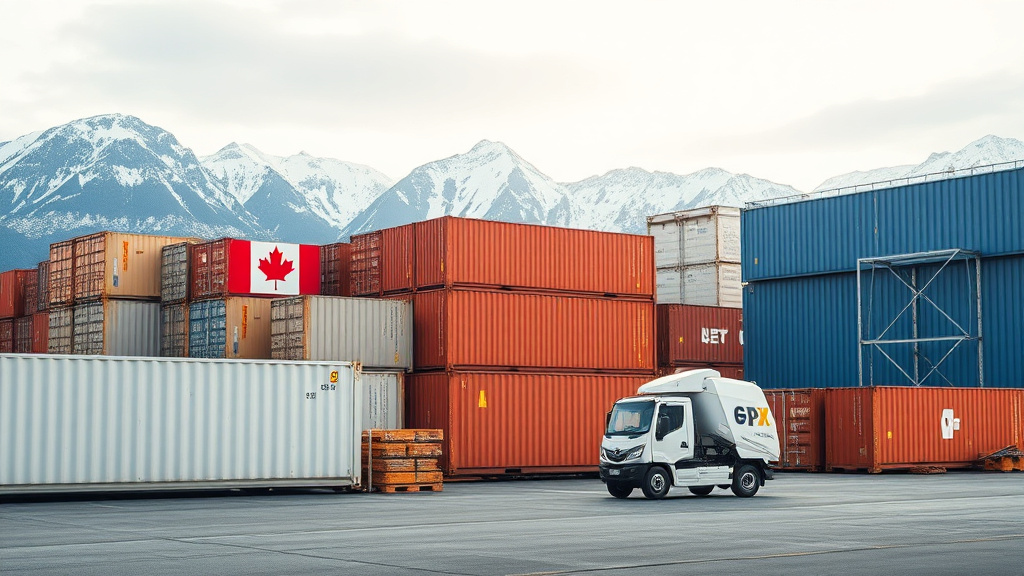
Moving internationally to Canada in 2026 doesn't have to break the bank, but understanding the true costs of shipping containers, air freight, and storage is essential for a smooth corporate relocatio...
The Lifetimes Canada editorial team curates, fact-checks, and updates guides on personal finance, property, health, immigration, legal, business, and lifestyle topics relevant to Lifetimes Canada readers. Articles are produced with AI assistance and reviewed by the editorial team before publication.
Moving internationally to Canada in 2026 doesn't have to break the bank, but understanding the true costs of shipping containers, air freight, and storage is essential for a smooth corporate relocation. Whether you're transferring from the US, Europe, or further afield, these expenses can vary widely based on volume, distance, and services, yet smart planning can save you thousands while complying with Canadian customs rules.
With Canada's robust economy drawing global talent, corporate relocations are on the rise. However, factors like CBSA (Canada Border Services Agency) duties, GST/HST on imports, and fluctuating fuel surcharges mean budgeting accurately is key.Expect average costs from the US to range from CAD $4,000 to $7,500, but international moves can climb to $20,000+ for larger shipments. This guide breaks down everything you need to know for 2026, with practical tips tailored for Canadians welcoming overseas teams.
Understanding International Moving Costs to Canada in 2026
International moving costs hinge on shipment size (measured in cubic metres or CBM), origin country, transport method, and extras like insurance or storage. For corporate relocations, add professional packing and compliance with CBSA regulations, which require detailed inventories and may impose duties on goods over CAD $3,300 in value for non-residents.
Average costs from key origins:
- US to Canada: CAD $4,500–$6,500 for a standard household, lower for shared containers.
- Europe/UK to Canada: CAD $6,000–$12,000 via sea freight, depending on port (e.g., Felixstowe to Halifax).
- Asia (e.g., Singapore) to Canada: CAD $12,000–$20,000 for 28–35 CBM, covering full packing and clearance.
Always add a 20–25% buffer for surprises like customs delays or fuel surcharges, common in 2026 due to global supply chain pressures. Use CRA's import duty calculator at canada.ca to estimate taxes upfront.
Factors Influencing Your Total Bill
- Volume and Weight: A 1-bedroom flat (10–15 CBM) costs less than a 3-bedroom (30+ CBM). Air freight bills by volumetric weight: (L x W x H cm) / 6000.
- Distance and Season: Peak summer moves (May–August) add 20%; off-peak winter saves significantly.
- Customs and Duties: CBSA charges GST (5%) plus provincial HST on most imports. Vehicles may qualify for duty-free if owned 6+ months.
- Corporate Perks: Employers often cover relocation via RRSP contributions or lump sums—check your package against CRA guidelines.
Shipping Containers: The Most Cost-Effective Option
Sea freight via shipping containers remains the cheapest for bulky corporate moves to Canada, ideal for office furniture or household goods. Shared/groupage containers (your items with others) start at $70–$150 per CBM, while a dedicated 20ft container handles 33 CBM for major routes.
Container Types and 2026 Costs
| Container Type | Capacity | Transit Time to Canada | Est. Cost (CAD) from US/Europe |
|---|---|---|---|
| Groupage/Shared | 2–15 CBM | 4–8 weeks | $2,000–$6,000 |
| 20ft Full | 33 CBM | 3–6 weeks | $4,000–$8,000 |
| 40ft Full | 67 CBM | 3–6 weeks | $6,000–$12,000 |
Ports like Vancouver or Montreal handle most arrivals. Opt for door-to-door to avoid port handling fees, but self-packing groupage shaves $500–$1,200. Pro tip: Declutter ruthlessly—selling items pre-move avoids CBSA valuation hassles.
Air Freight: Speed for Urgent Corporate Needs
When time is critical, such as executive transfers, air freight delivers in 7–14 days but at 5–10x the cost of sea. Best for <15 CBM or high-value items like electronics.
2026 Pricing: $6,000–$12,000 for 10 CBM from Europe; volumetric weight rules apply, so pack densely. Airlines like Air Canada Cargo offer direct routes to YYZ or YVR. For small loads, excess baggage on commercial flights can undercut at $1,000–$2,500, but check limits.
Corporate movers bundle air with customs brokerage to speed CBSA clearance—essential for avoiding demurrage fees (CAD $100+/day).
Storage Solutions During Your Move to Canada
Transit gaps or housing delays often require storage, adding $1,000–$5,000+. In 2026, expect CAD $150–$300/month for 100 CBM in bonded warehouses near Canadian ports, compliant with CBSA for duty deferral.
Storage Options and Tips
- Port Bonded Storage: Free for 5–10 days; extended at $50–$100/day. Ideal for sea arrivals.
- Third-Party Warehouses: Climate-controlled units in Toronto or Vancouver: $200–$500/month. Companies like Allied offer mobile storage.
- Long-Term: 3+ months? Negotiate rates and insure via providers like Destination Canada Storage.
Actionable advice: Book storage in advance through your mover to align with IRCC work permit timelines for corporate relocators.
Additional Costs and How to Save on Your 2026 Move
Beyond transport, budget for packing ($500–$2,000), insurance (1–3% of value), vehicles ($1,900–$2,500 from US), and pets ($1,000+ with CFIA compliance). Total for a full corporate household: $10,000–$25,000.
Savings Strategies:
- Move off-peak and use groupage.
- Compare quotes from 3+ movers via canada.ca relocation resources.
- Leverage TFSA/RRSP for tax-free relocation funds if employer-sponsored.
- DIY packing for non-fragiles to cut 15–20%.
Navigating Canadian Customs and Regulations
CBSA requires a detailed goods list, NAFTA Certificate for US moves (duty-free), and food/prohibited items declarations. Use the CBSA CANPASS for faster clearance. Corporate relocations qualify for temporary import relief under CUSMA if goods return within 3 years. Visit cbsa-asfc.gc.ca for 2026 forms.
Next Steps for Your Smooth Relocation
Get 3–5 quotes from CBSA-approved movers, inventory your goods, and consult cra-arc.gc.ca for tax implications. For corporate teams, align with IRCC for work permits early. With proper planning, your 2026 move to Canada will be efficient and cost-controlled—welcome home!
Frequently Asked Questions
Sources & References
- 1
-
2
Moving to Canada in 2026: Dream Life or Costly Mistake? - YouTube — www.youtube.com
-
3
How Much Does It Cost to Move to Another Country in 2026 — internationalmoving.services
-
4
International Moving Costs 2026: The Ultimate Guide to Global Relocation Budgeting — www.asiaticrelo.com
-
5
Cost of Moving from The US to Canada - International Van Lines — internationalvanlines.com
-
6
Long Distance Moving Cost Calculator - Cost of Movers in 2026 — www.allied.com