Dependent Child Sponsorship Canada 2026: Eligibility and Processing Times
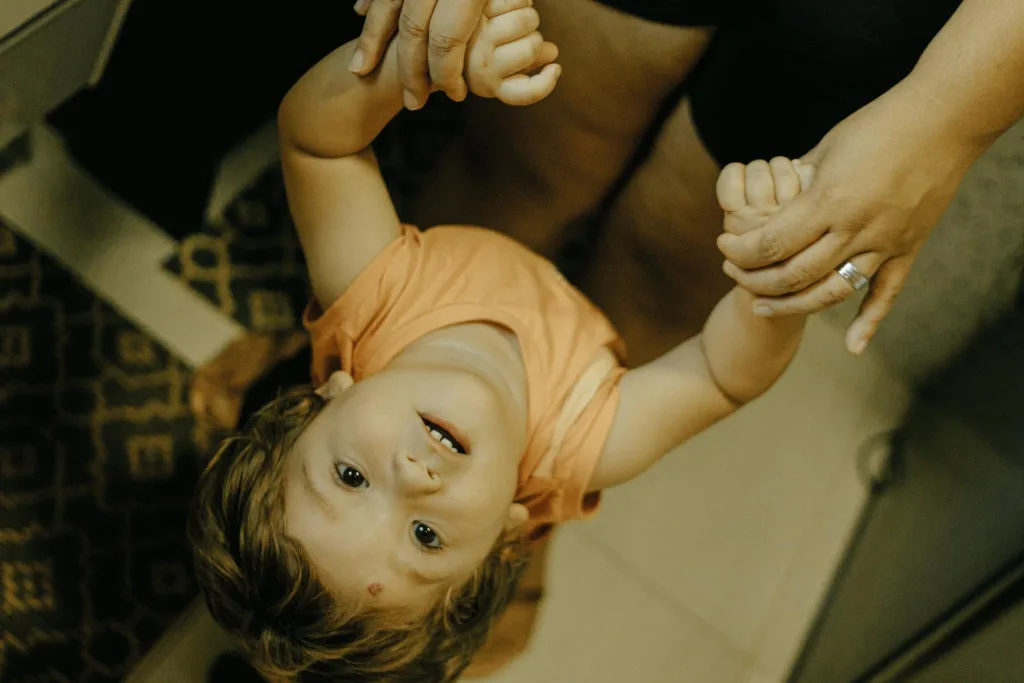
If you're a Canadian permanent resident or citizen living apart from your child, you probably spend a lot of time thinking about when you'll finally be together again. The good news is that Canada's f...
The Lifetimes Canada editorial team curates, fact-checks, and updates guides on personal finance, property, health, immigration, legal, business, and lifestyle topics relevant to Lifetimes Canada readers. Articles are produced with AI assistance and reviewed by the editorial team before publication.
Bringing Your Child to Canada: What You Need to Know in 2026
If you're a Canadian permanent resident or citizen living apart from your child, you probably spend a lot of time thinking about when you'll finally be together again. The good news is that Canada's family reunification system is designed to help close that gap. Through the Dependent Child Sponsorship program, you can bring your child to Canada to live with you permanently — but the process comes with specific rules, timelines, and paperwork that you'll want to understand before you begin.
In 2026, Immigration, Refugees and Citizenship Canada (IRCC) continues to prioritise family reunification, but processing times and eligibility requirements can still catch applicants off guard. Whether you're sponsoring a biological child, an adopted child, or a child you've been caring for, this guide will walk you through the latest eligibility criteria, processing times, and practical steps to make your application as smooth as possible.
Who Qualifies as a Dependent Child for Sponsorship?
Before you start filling out forms, it's essential to understand who IRCC considers a "dependent child." The definition matters because it determines whether your child qualifies for sponsorship under the Family Class.
According to current IRCC policy, a dependent child must meet all of the following criteria [1]:
- Age: The child must be under 22 years of age.
- Marital status: The child must not have a spouse or common-law partner.
- Financial dependence: If the child is 22 or older, they may still qualify if they have been continuously enrolled in full-time post-secondary education and have been financially dependent on their parents since before age 22. Alternatively, a child 22 or older may qualify if they have a physical or mental condition that prevents them from being financially self-sufficient.
It's worth noting that the age limit is calculated at the time IRCC receives a complete sponsorship application. If your child turns 22 during the application process, they may still be considered a dependent child as long as the application was filed before their 22nd birthday [2].
What About Adopted Children?
Adopted children can also be sponsored under the Dependent Child Sponsorship program, but the rules are slightly different. You must satisfy IRCC that the adoption is genuine and was not entered into primarily to gain immigration status for the child. Additionally, the adoption must meet both Canadian and the child's home country's legal requirements. In some cases, IRCC may require an adoption home study or additional documentation to confirm the best interests of the child [3].
Who Can Be a Sponsor?
Sponsorship isn't just about the child's eligibility — you also need to meet specific requirements as a sponsor. IRCC looks for sponsors who are financially stable and able to support their child without relying on social assistance.
To sponsor a dependent child in 2026, you must [4]:
- Be a Canadian citizen or permanent resident
- Be at least 18 years old
- Live in Canada (if you're a permanent resident, you must be residing in Canada at the time of application)
- Show that you can meet the basic financial needs of your child — though the income requirement is generally lower for sponsoring a dependent child than for sponsoring a spouse or parent
- Not be in default on any previous sponsorship agreement or immigration loan
- Not be receiving social assistance (other than for a disability)
- Not have been convicted of certain serious criminal offences
One important detail: if you're a Canadian citizen living abroad, you can still sponsor your dependent child, but you must demonstrate that you intend to return to Canada once the child's permanent residence is approved [4].
Processing Times in 2026: What to Expect
Processing times for dependent child sponsorship applications vary depending on where your child lives and how complete your application package is. As of early 2026, IRCC's published processing times for sponsored dependent children (outside Canada) are typically around 12 to 18 months [5]. For children already inside Canada applying for permanent residence through the In-Canada Class, processing times may be slightly faster, often ranging from 8 to 14 months [5].
These are estimated times and can change based on application volumes, the complexity of your case, and whether IRCC needs additional documents. A complete, error-free application is the best way to avoid delays. Missing signatures, incomplete forms, or missing police certificates are among the most common reasons for processing slowdowns.
Factors That Can Speed Up or Slow Down Your Application
While you can't control everything about the process, there are a few things you can do to keep your application moving:
- Submit a complete application: Double-check every form and document. Use IRCC's document checklist to ensure nothing is missing.
- Provide police certificates early: If your child is 18 or older, you'll need a police certificate from any country where they've lived for six months or more since turning 18.
- Respond quickly to requests: If IRCC asks for more information, respond as soon as possible. Delays in your response will delay your entire application.
- Use the online portal: IRCC encourages online applications, which can sometimes be processed faster than paper submissions.
Step-by-Step Application Process
Here's a general overview of what the sponsorship process looks like from start to finish:
- Gather your documents: You'll need proof of your Canadian status, proof of your relationship to the child (such as a birth certificate or adoption order), the child's passport, and any required police certificates or medical exams.
- Complete the application forms: The main forms include the Sponsorship Evaluation (IMM 5481), the Application to Sponsor (IMM 1344), and the Generic Application Form for Canada (IMM 0008).
- Pay the fees: The sponsorship fee, processing fee, and right of permanent residence fee total approximately $1,135 CAD for a dependent child as of 2026. Biometrics fees are additional [6].
- Submit your application: Mail your paper application to the Case Processing Centre in Mississauga, or submit online through the IRCC portal.
- Wait for processing: IRCC will review your application, request biometrics, and conduct background and medical checks.
- Receive a decision: If approved, your child will receive a Confirmation of Permanent Residence (COPR) and a permanent resident visa (if applicable).
Common Pitfalls to Avoid
Even straightforward applications can hit snags. Here are a few common issues that trip up sponsors:
- Incorrectly defining dependency: If your child is 22 or older and not in school or has a gap in their education, IRCC may question their dependent status. Make sure you provide clear evidence of continuous full-time enrolment and financial dependency.
- Missing biometrics: Children aged 14 and older must provide biometrics. If you forget to book an appointment, your application can be delayed.
- Not updating your address: If you move during the application process, update your address with IRCC immediately. Missed correspondence can lead to refusal.
- Misunderstanding the sponsorship undertaking: When you sponsor a child, you sign an undertaking agreeing to support them financially for 10 years (or until they turn 25, whichever comes first). This is a legal obligation you cannot easily walk away from [7].
Financial Considerations for Sponsors
While sponsoring a dependent child does not require you to meet the same high income thresholds as sponsoring a parent or grandparent, you still need to demonstrate that you can provide for your child's basic needs. IRCC will look at your income, but the bar is relatively low compared to other sponsorship categories [4].
That said, you should also budget for the application fees, travel costs for your child, and potentially settlement expenses once they arrive. Many sponsors underestimate the cost of airfare, temporary housing, and initial living expenses while the child adjusts to life in Canada.
What Happens After Approval?
Once your child's permanent residence is approved, they will receive their COPR and, if outside Canada, a permanent resident visa. They must travel to Canada before the visa expires (usually within one year of the medical exam). Upon arrival, they become a permanent resident with the same rights and responsibilities as any other PR, including access to healthcare and education.
If your child is already in Canada when the application is approved, they will attend a landing interview or receive their COPR by mail, confirming their status as a permanent resident.
Next Steps: Getting Started
Sponsoring your dependent child is one of the most meaningful steps you can take toward reuniting your family in Canada. The process may feel overwhelming at first, but breaking it down into manageable steps makes it far more achievable.
Start by reviewing the official IRCC guide for sponsoring a dependent child [1]. Gather your documents early, and consider using the online application portal to streamline the process. If your situation is complex — for example, if you are sponsoring an adopted child or a child over 22 — you may want to consult with an immigration lawyer or regulated Canadian immigration consultant (RCIC) to ensure everything is in order.
Remember, every application is unique. Stay organised, follow the instructions carefully, and don't hesitate to reach out to IRCC or a qualified professional if you have questions. Your patience and attention to detail now will pay off when you're finally reunited with your child in Canada.
Frequently Asked Questions
Sources & References
-
1
Sponsor your dependent child — Canada.ca — www.canada.ca
-
2
Dependent children — Operational instructions — Canada.ca — www.canada.ca
-
3
Sponsor an adopted child — Canada.ca — www.canada.ca
-
4
Eligibility to sponsor a dependent child — Canada.ca — www.canada.ca
-
5
Check application processing times — Canada.ca — www.canada.ca
-
6
Guide to sponsoring a dependent child (IMM 5289) — Canada.ca — www.canada.ca
-
7
Sponsorship undertaking obligations — Canada.ca — www.canada.ca