Best Home Insurance After Flooding in Canada 2026: Overland Water Coverage
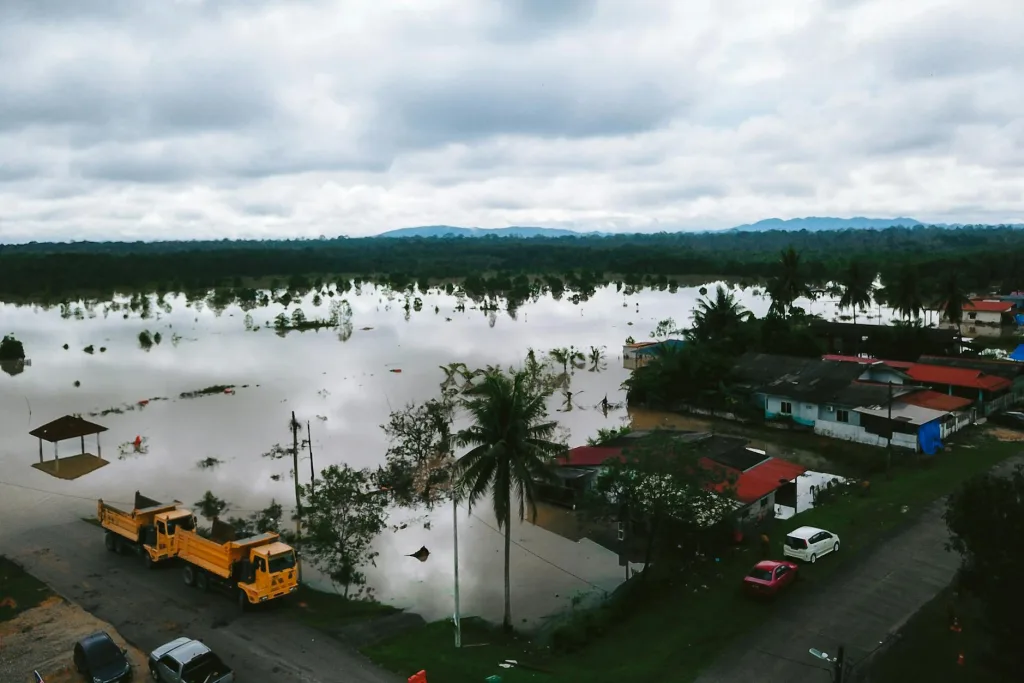
Imagine waking up to water seeping through your basement walls after a heavy spring rain or rapid snowmelt—your home's biggest investment suddenly at risk. In Canada, flooding claims top the list of n...
The Lifetimes Canada editorial team curates, fact-checks, and updates guides on personal finance, property, health, immigration, legal, business, and lifestyle topics relevant to Lifetimes Canada readers. Articles are produced with AI assistance and reviewed by the editorial team before publication.
Imagine waking up to water seeping through your basement walls after a heavy spring rain or rapid snowmelt—your home's biggest investment suddenly at risk. In Canada, flooding claims top the list of natural disasters, costing $1.5 billion annually, with homeowners shouldering 75% of uninsured losses. As we navigate 2026's rising premiums and stricter policies, securing the best home insurance after flooding means prioritising overland water coverage to protect what matters most.
Understanding Overland Water Coverage in Canadian Home Insurance
Standard home insurance policies in Canada cover sudden perils like fire or theft, but they often exclude overland water—water flowing from outside your property, such as from heavy rain, melting snow, or overflowing rivers. This gap leaves many homeowners vulnerable, especially during spring thaws in provinces like British Columbia, Alberta, and Quebec.
What Overland Water Coverage Protects Against
This optional endorsement safeguards your home's structure and contents when surface water enters at ground level. Think mudslides from hillside runoff or ponding water breaching your foundation during intense storms. Without it, you're on the hook for repairs that can run tens of thousands.
- Home structure: Foundation walls, drywall, and flooring damaged by infiltrating water.
- Personal belongings: Furniture, electronics, and clothing ruined by floodwaters.
- Additional living expenses: Hotel stays if your home is uninhabitable during repairs.
In 2026, insurers like Aviva Canada mandate a minimum $2,500 deductible for overland water claims, applying to losses where water is the primary cause. Always check your policy wording to confirm limits, typically capping at $100,000–$250,000 depending on the provider.
Why 2026 Is a Critical Year for Flood Insurance in Canada
Climate change has supercharged extreme weather, driving record claims: $9.4 billion in 2024 alone from floods in Nova Scotia and BC, plus wildfires. Premiums jumped province-wide, with Saskatchewan seeing a 12.16% hike due to hail and wind, while BC faces 7.63% increases from flooding risks. From February 25, 2026, average premiums rose by $1,200 nationwide, fuelled by repair costs and reinsurance pressures.
Provincial Premium Increases and Flood Hotspots
| Province | % Premium Change (2026) | Primary Cause |
|---|---|---|
| Saskatchewan | +12.16% | Hail/Wind Severity |
| Manitoba | +11.31% | Summer Storms |
| Alberta | +9.25% | Wildfire/Hail Risk |
| Quebec | +8.02% | Water/Ice Damages |
| British Columbia | +7.63% | Flooding |
High-risk zones in Ontario and Atlantic Canada now face insurer pullbacks, with some postal codes blacklisted. Public Safety Canada's delayed flood maps exacerbate this, leaving homeowners without clear risk data.
Top Home Insurance Providers for Overland Water Coverage in 2026
Choosing the best home insurance after flooding boils down to robust overland endorsements, competitive deductibles, and claims handling. Here's a rundown of standout options tailored for Canadians:
1. Intact Insurance – Comprehensive National Coverage
Intact leads with flexible overland water add-ons up to $250,000, bundling sewer backup for under $100/year extra in low-risk areas. They're praised for fast claims post-2024 floods. Ideal for Ontario and Quebec homeowners facing ice dams and thaws.
2. Aviva Canada – High-Limit Protection with Caveats
Offering $2,500 minimum deductibles but payouts up to $300,000, Aviva suits BC and Alberta properties. Their 2024 policy updates ensure clarity on overland vs. groundwater, though premiums reflect wildfire-flood combos.
3. TD Insurance – Bundled Discounts for Multi-Risk Homes
TD's overland coverage pairs with smart home tech discounts (up to 10%), perfect for sump pump-equipped basements. Strong in Prairies, where hail-flood overlaps are common.
4. Allstate and Desjardins – Regional Strengths
Allstate excels in Atlantic Canada with post-Hurricane Fiona lessons, while Desjardins offers Quebec-specific flood mapping tools. Both cap at $200,000 but waive deductibles for proven mitigation like backwater valves.
Shop via brokers or Canada's Insurance Bureau (IBC) comparison tools for quotes reflecting your postal code's 2026 risk rating.
Practical Tips to Secure the Best Coverage and Lower Costs
Don't wait for renewal—act now to fortify your policy and home against 2026 floods.
Mitigation Steps That Insurers Reward
- Install a backwater valve and sump pump: Reduces premiums by 5–15%; mandatory for new builds in floodplains.
- Elevate appliances and electrical: Keeps claims low; qualifies for resilience discounts.
- Clear eavestroughs and grading: Directs water away from foundations—document for insurers.
- Get a home elevation certificate: Proves your structure's flood resilience for better rates.
Shopping Smart in a Tightening Market
- Compare at least three quotes using sites like Kanetix.ca or LowestRates.ca, factoring overland endorsements.
- Bundle with auto for 10–20% savings; RRSP/TFSA holders, note tax-deductible mitigation costs via CRA home office rules.
- Ask about "hard market" clauses—some carriers exit high-risk zones, so lock in coverage early.
Paul Davis Restoration recommends pre-flood risk assessments to identify vulnerabilities like poor drainage.
Next Steps to Protect Your Home Today
Review your policy against 2026 realities: add overland water if missing, document mitigations, and get quotes before March renewals. Contact IBC or a local broker for personalised advice, and visit Public Safety Canada for provincial flood maps. A resilient home isn't just insured—it's prepared. Start with a free risk assessment from providers like Paul Davis to stay ahead of the next deluge.
Frequently Asked Questions
Sources & References
-
1
Winter Damage and Your Insurance: What's Covered in 2026? — pauldavis.ca — www.pauldavis.ca
-
2
$9.4B Record Claims: Why Home Insurance is Rising in 2026 — harvardwestern.com — harvardwestern.com
-
3
Smart Home Insurance Moves to Make Before Spring — orbitinsuranceservices.ca — www.orbitinsuranceservices.ca
-
4
BC Home Insurance Guide in 2026 — westernfinancialgroup.ca — westernfinancialgroup.ca
-
5
Goodbye to Cheap Home Insurance — taifujudo.ca — taifujudo.ca
-
6
Canada's Skyrocketing Insurance Payouts for Extreme Weather — thebusinesscouncil.ca — www.thebusinesscouncil.ca
- 7
-
8
Canada's Home Insurance Market Tightens as Climate Losses Bite — insurancebusinessmag.com — www.insurancebusinessmag.com