Wood Stove and Fireplace Home Insurance Rules in Canada 2026
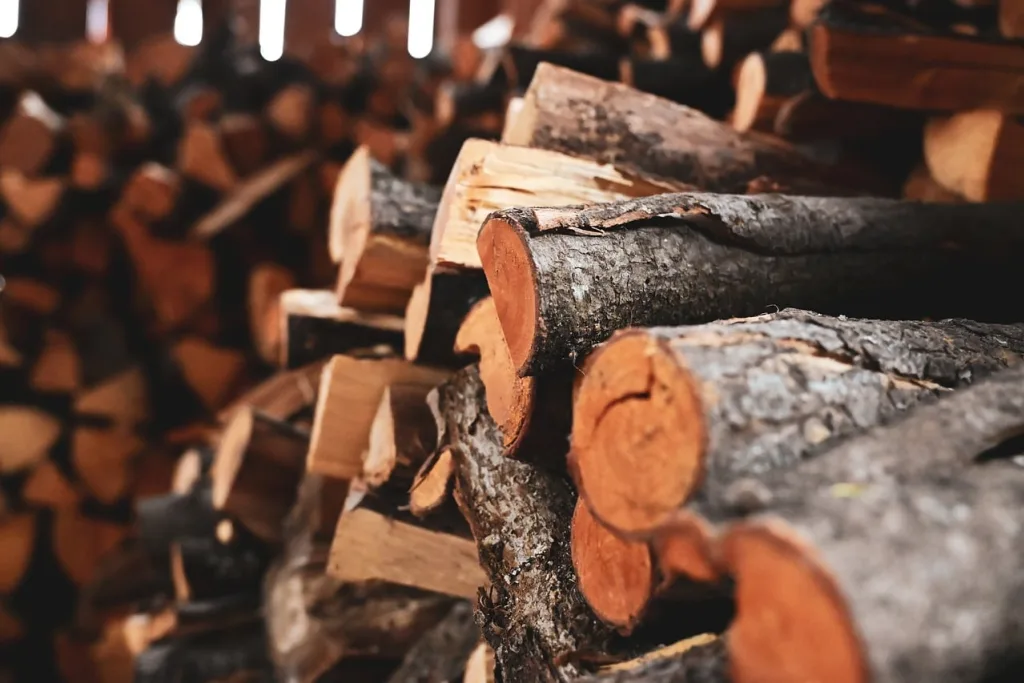
There's something undeniably special about the warmth and ambience of a wood stove or fireplace in a Canadian winter. However, that crackling fire comes with a set of insurance rules that many homeown...
The Lifetimes Canada editorial team curates, fact-checks, and updates guides on personal finance, property, health, immigration, legal, business, and lifestyle topics relevant to Lifetimes Canada readers. Articles are produced with AI assistance and reviewed by the editorial team before publication.
There's something undeniably special about the warmth and ambience of a wood stove or fireplace in a Canadian winter. However, that crackling fire comes with a set of insurance rules that many homeowners don't discover until it's too late. As we move through 2026, insurers across Canada are tightening their requirements for homes with wood-burning appliances, and the stakes are high: non-compliance can mean a denied claim or even a cancelled policy.
Whether you're installing a new wood stove, buying a home with an existing fireplace, or just want to make sure your current setup is covered, understanding these rules is essential. This guide walks you through what Canadian insurers are looking for in 2026, the most common pitfalls, and exactly how to protect your home and your wallet.
Why Wood Stoves and Fireplaces Are Under Scrutiny
From an insurer's perspective, wood-burning appliances are a significant risk factor. According to the Canadian Mortgage and Housing Corporation (CMHC), solid-fuel heating appliances are a leading cause of house fires during the winter months [1]. This isn't just about old, poorly maintained units; even new installations can pose risks if not properly certified and installed.
In 2026, insurers are more data-driven than ever. They're using historical claims data to assess risk, and homes with wood stoves or fireplaces consistently show higher claim frequencies and severities. This has led to stricter underwriting guidelines, mandatory inspections, and in some cases, outright exclusions for wood-burning appliances.
Key Rules for Wood Stove and Fireplace Insurance in 2026
While each insurance company has its own specific criteria, there are several common requirements that have become standard across the Canadian market in 2026. Failing to meet any of these could result in a coverage gap.
1. WETT Certification Is Non-Negotiable
The single most important requirement for any wood stove or fireplace is a WETT (Wood Energy Technology Transfer) inspection. WETT-certified inspectors are trained to assess installations against the CSA B365 standard for solid-fuel-burning appliances [2].
In 2026, almost all major Canadian insurers require a WETT inspection for:
- New installations — You'll need a final WETT certificate before the policy is bound.
- Existing homes — If you're buying a home with a wood stove or fireplace, the insurer will likely demand a current WETT report (usually less than 12 months old).
- Policy renewals — Some insurers are now asking for periodic WETT inspections (every 3–5 years) as a condition of renewal.
The inspection covers everything from clearances to combustibles, chimney condition, and proper venting. A clean WETT report is your best defence against a coverage denial.
2. Proper Clearance to Combustibles
Insurers want to see that your wood stove or fireplace is installed with adequate space between the appliance and any combustible materials (walls, floors, furniture, wood trim). The specific distances depend on the model and are outlined in the manufacturer's specifications and the CSA B365 code.
Common requirements include:
- Floor protection — A non-combustible hearth extending at least 450 mm (18 inches) in front of the door and 200 mm (8 inches) on each side.
- Wall clearance — Typically 450 mm (18 inches) from the back and sides, though reduced clearances are possible with proper shielding.
- Ceiling clearance — At least 1.2 metres (48 inches) from the top of the stove to the ceiling.
If your installation doesn't meet these clearances, you'll need to either relocate the stove or install approved heat shields. A WETT inspector can advise on specific solutions.
3. Chimney and Flue Requirements
The chimney is often the most vulnerable part of any wood-burning system. Insurers in 2026 are paying close attention to:
- Chimney type — Masonry chimneys must be lined with a proper flue liner (clay tile or stainless steel). Unlined masonry chimneys are increasingly being rejected.
- Chimney height — The chimney must extend at least 1 metre (3 feet) above the roof and 0.6 metres (2 feet) above any roof ridge within 3 metres (10 feet).
- Spark arrestors — Many insurers now require a spark arrestor on the chimney top to prevent embers from escaping.
- Annual cleaning — You must have the chimney professionally cleaned and inspected at least once a year. Keep the invoice as proof.
Tip: If you're unsure about your chimney's condition, hire a WETT-certified chimney sweep. They can provide both cleaning and a formal inspection report that insurers accept.
4. Proper Installation and Permits
In most Canadian provinces and territories, installing a wood stove or fireplace requires a building permit from your local municipality. Insurers will ask for proof of permit and final inspection approval. If you installed the unit without a permit, your insurance company may refuse to cover any fire-related claim, even if the installation is technically sound.
Always use a licensed contractor who is familiar with local building codes and the CSA B365 standard. Keep all permits, invoices, and inspection reports in a safe place.
How to Get the Best Insurance Rate with a Wood Stove or Fireplace
Having a wood-burning appliance doesn't automatically mean sky-high premiums. In fact, many insurers offer discounts for properly maintained units because they reduce reliance on electric or gas heating. Here's how to position yourself for the best rate in 2026:
- Get a current WETT inspection — A clean report is the single best negotiating tool.
- Install a secondary heat source — If your wood stove is your primary heat source, consider adding an electric or gas backup. This reduces risk in the event of a chimney fire.
- Use certified appliances — Look for wood stoves and fireplaces that are certified to CSA B415.1 (performance testing) and EPA or CSA safety standards [3].
- Bundle your policies — Many insurers offer multi-policy discounts if you have home and auto insurance with the same company.
- Shop around — Not all insurers treat wood stoves the same way. Some are more lenient than others. Work with an independent broker who can compare multiple carriers.
Common Pitfalls That Lead to Claim Denials
Even if you think your wood stove or fireplace is safe, there are several common mistakes that can void your coverage:
- Using the wrong fuel — Burning treated wood, garbage, or flammable liquids in a wood stove is a major fire hazard and will void your insurance.
- Improper ash disposal — Ashes can remain hot for days. Store them in a metal container with a tight-fitting lid, placed outside away from the house.
- Neglecting annual maintenance — Skipping chimney cleaning or inspection is the most common reason for claim denial after a fire.
- Not disclosing the appliance — If you add a wood stove without telling your insurer, you're essentially operating without coverage. Always notify your insurer before installation.
- Using an unapproved installer — DIY installations are almost never covered. Use a licensed professional who can provide a certificate of installation.
What to Do If You're Buying a Home with a Wood Stove or Fireplace
If you're in the market for a home that has a wood-burning appliance, take these steps during the due diligence period:
- Ask for the WETT report — The seller should provide a current WETT inspection report. If they don't have one, request one as a condition of your offer.
- Check the age and condition — Wood stoves older than 20 years may not meet current safety standards. Some insurers refuse to cover them at all.
- Verify permits — Ask the seller for proof that the installation was permitted and inspected by the local municipality.
- Get a home inspection — A general home inspector can identify obvious issues, but a WETT inspector is the only one qualified to assess the wood-burning system comprehensively.
Provincial and Territorial Considerations
While the core requirements are similar across Canada, there are some regional differences to be aware of:
- British Columbia — The BC Building Code has specific requirements for wood stoves in high-fire-risk areas. Some insurers may require additional fire suppression systems.
- Alberta — Rural properties with wood stoves as primary heat sources often face higher premiums. A WETT inspection is almost always mandatory.
- Ontario — The Ontario Fire Code requires annual chimney cleaning for solid-fuel appliances. Insurers are increasingly enforcing this.
- Quebec — The Régie du bâtiment du Québec (RBQ) has strict installation standards. Ensure your installer is RBQ-licensed.
- Atlantic Canada — Wood stoves are very common in Nova Scotia, New Brunswick, PEI, and Newfoundland. Insurers there are generally more familiar with them but still require WETT certification.
Next Steps for Canadian Homeowners
Protecting your home and your family while enjoying the warmth of a wood stove or fireplace is entirely possible — it just requires a bit of proactive effort. Here's your action plan for 2026:
- Check your current WETT inspection status — If you haven't had one in the last 12 months, schedule one now. Find a certified inspector through the WETT Inc. website.
- Review your insurance policy — Read your policy documents carefully to understand what's covered and what's excluded regarding your wood-burning appliance.
- Schedule your annual chimney cleaning — Book a certified chimney sweep before the heating season begins. Keep the invoice as proof.
- Contact your insurance broker — If you have any doubts about your coverage, call your broker or insurer directly. Ask specifically about wood stove or fireplace requirements.
- Consider an upgrade — If your wood stove is over 20 years old, replacing it with a modern, certified model can lower your insurance risk and reduce your heating costs.
With the right preparation, you can enjoy the comfort of a wood fire all winter long — and sleep soundly knowing your insurance is solid.
Frequently Asked Questions
Sources & References
-
1
Canadian Mortgage and Housing Corporation (CMHC) — Wood Stove Safety Guidelines — www.cmhc-schl.gc.ca
-
2
WETT Inc. — Wood Energy Technology Transfer: Inspection Standards — www.wettinc.ca
-
3
CSA Group — CSA B415.1 Performance Testing for Solid-Fuel-Burning Appliances — www.csagroup.org
-
4
Financial Consumer Agency of Canada — Home Insurance Guide — www.canada.ca
Related Articles

Airbnb and Short-Term Rental Insurance in Canada 2026
Thinking about listing your home on Airbnb or Vrbo can be exciting, but it also raises an important question: does your standard home insurance policy cover short-term rentals? For most Canadians in 2...

Home-Based Business Insurance in Canada 2026: When Does Your Home Policy Stop Covering You?
Picture this: you’ve started a small side hustle from your home office—perhaps freelance graphic design, online tutoring, or selling handmade crafts on Etsy. You feel confident knowing your home insur...

How to Get the Best Home and Auto Insurance Bundle Discount in Canada 2026
If you’re a homeowner with a car, you’ve almost certainly seen the ads promising big savings if you bundle your home and auto insurance with the same provider. But is it really worth it? In 2026, with...

Condo Insurance in Canada 2026: Understanding Loss Assessment and Deductible Coverage
If you own a condo in Canada, you might assume your strata corporation’s insurance policy has you fully covered. While the strata policy protects the building’s common areas and structure, it often le...