Best Gold and Silver ETFs in Canada 2026 as an Inflation Hedge
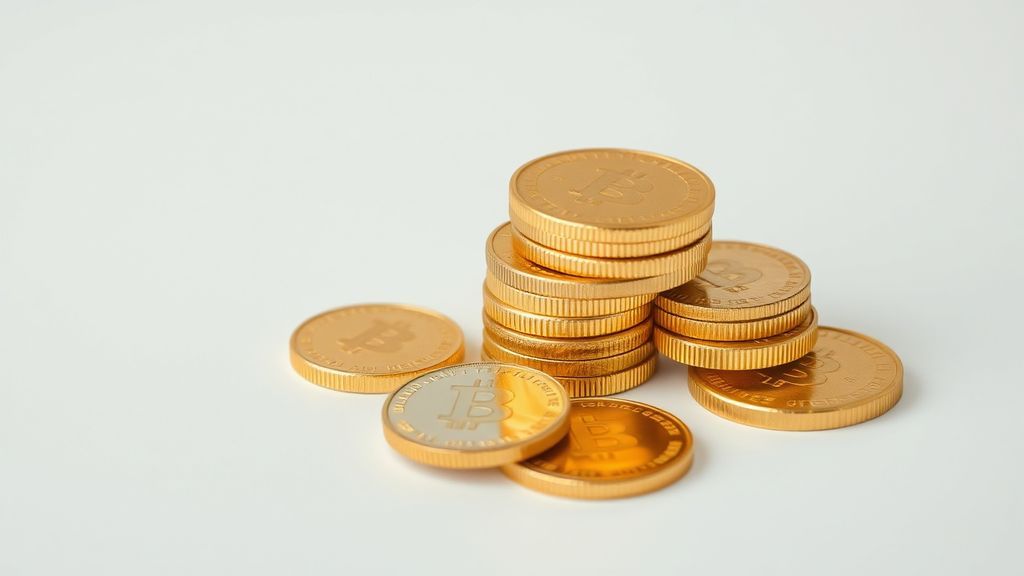
As inflation pressures linger into 2026, savvy Canadian investors are turning to gold and silver ETFs as reliable hedges. These precious metals have historically preserved wealth during economic uncer...
The Lifetimes Canada editorial team curates, fact-checks, and updates guides on personal finance, property, health, immigration, legal, business, and lifestyle topics relevant to Lifetimes Canada readers. Articles are produced with AI assistance and reviewed by the editorial team before publication.
As inflation pressures linger into 2026, savvy Canadian investors are turning to gold and silver ETFs as reliable hedges. These precious metals have historically preserved wealth during economic uncertainty, offering a tangible alternative to volatile stocks and bonds right here on the TSX.
With the Bank of Canada monitoring inflation closely and global uncertainties like supply chain disruptions persisting, allocating a portion of your portfolio—say 5-10%—to gold and silver ETFs can provide stability. Whether you're saving in a TFSA or RRSP, these funds deliver low-cost exposure without the hassle of storing physical bullion. In this guide, we'll explore the best gold and silver ETFs in Canada for 2026, focusing on their fees, liquidity, and inflation-hedging potential, all tailored for Canadian investors.
Why Gold and Silver ETFs Excel as Inflation Hedges in 2026
Gold and silver have long been go-to assets when fiat currencies lose purchasing power. Gold's supply grows slowly, making it a store of value, while silver's dual role in industry and investment amplifies its responsiveness to economic shifts.[1][3] In Canada, where we've seen inflation hover above target levels, these metals correlate inversely with rising prices—gold often rises as central banks print money, and silver benefits from industrial demand in green energy transitions.
For 2026, expect continued appeal: silver has surged from US$50 per ounce in early 2025 to nearly US$115, driven by solar panel and EV demand.[4] Canadian ETFs make this accessible, with tax advantages in registered accounts. Unlike physical buying, ETFs avoid storage fees and offer daily liquidity on the TSX.
Key Benefits for Canadian Investors
- Low Costs: Management expense ratios (MERs) as low as 0.16%, far below traditional bullion dealers.[1]
- Tax Efficiency: Hold in TFSA or RRSP for tax-deferred growth; no foreign withholding taxes on many TSX-listed options.
- Currency Hedging: Options hedged to CAD protect against USD fluctuations.
- Liquidity: Trade like stocks during market hours, with tight bid-ask spreads.
- Diversification: Counterbalance equity-heavy portfolios amid CRA's emphasis on balanced investing.
Top Gold ETFs in Canada for 2026
Canada boasts some of the world's most cost-effective gold ETFs, backed by physical bullion stored securely—often at the Royal Canadian Mint. Here's our roundup of the best gold ETFs, prioritising low fees, AUM, and tracking accuracy.[1][2]
1. BMO Gold Bullion ETF (ZGLD)
The standout choice for straightforward exposure, ZGLD holds physical gold in BMO vaults with an ultra-low MER of 0.20%. It's unhedged (CAD/USD), ideal if you anticipate USD strength, and perfect for TFSA holders seeking spot price tracking without frills.[1]
2. Purpose Gold Bullion Fund (KILO)
KILO offers both hedged and unhedged units at 0.20% MER, holding physical bullion. Its flexibility suits conservative investors hedging inflation while managing currency risk—highly liquid with strong 2026 performance.[1][2]
3. CI Gold Bullion Fund (VALT)
Boasting the lowest MER at 0.16%, VALT focuses on institutional-grade gold. It's a no-frills option for RRSP portfolios, delivering precise gold price exposure at rock-bottom costs.[1]
4. iShares Gold Bullion ETF (CGL)
With $2.1 billion AUM and CAD-hedging, CGL eliminates USD risk—each unit backs 0.0055 ounces of gold stored securely. Its liquidity and 0.50% MER make it a staple for large portfolios.[1][2]
5. Sprott Physical Gold Trust (PHYS)
A closed-end fund with 3.7 million ounces ($15.2 billion AUM), PHYS trades at a 2.1% discount to NAV, stored at the Royal Canadian Mint and audited by KPMG. Buy low during discounts for value plays.[2]
Pro Tip: Compare these in a TFSA using your brokerage's ETF screener—aim for MER under 0.25% for long-term holds.
Best Silver ETFs and Precious Metals Options for Canadians
Silver ETFs lag gold in selection but shine for aggressive inflation hedges, given silver's industrial demand. Canadian investors can access TSX-listed miners or US-listed physical trusts (eligible for RRSPs via Norbert's Gamble rule).[3][5]
Top Silver and Multi-Metal Picks
- Global X Silver Miners ETF: Tracks global silver producers (65.6% Canada-exposed), 0.65% MER. A buy for aggressive investors betting on mining leverage.[5]
- iShares Silver Trust (SLV): US-listed physical silver (0.50% expense ratio, $56.7B AUM). Long track record; hold in RRSP to avoid withholding taxes.[3]
- Global X Gold Yield ETF (HGY): Blends gold with yield strategies for income amid inflation.[1]
- Aberdeen Physical Precious Metals Basket (GLTR): Diversified across gold, silver, platinum (gold heaviest). Suited for broad exposure.[3]
Miners like iShares S&P/TSX Global Gold Index (XGD, 0.61% MER) offer leveraged plays—51 gold stocks, 65.6% Canadian—but with higher volatility.[5]
How to Buy Gold and Silver ETFs in Canada
Getting started is simple through any discount brokerage like Questrade or Wealthsimple Trade. Here's your step-by-step:
- Open a TFSA or RRSP: Maximise 2026 contribution limits (TFSA $7,000; RRSP 18% of earned income).
- Fund Your Account: Link to your bank; use CAD for TSX ETFs.
- Search Tickers: Enter ZGLD, KILO, etc., on the TSX.
- Buy Shares: Use limit orders to snag tight spreads; dollar-cost average monthly.
- Monitor: Track via CRA My Account for tax slips; rebalance annually.
Costs to Watch: Brokerage commissions (often $0), but MERs compound—choose under 0.20%. For US ETFs, confirm RRSP eligibility to skip 15% withholding.[1]
Comparing Gold vs Silver ETFs: Which is Best for Your 2026 Portfolio?
| ETF | MER | AUM | Hedging | Best For |
|---|---|---|---|---|
| ZGLD (Gold) | 0.20% | High | Unhedged | Low-cost spot exposure |
| VALT (Gold) | 0.16% | Growing | Unhedged | Cheapest physical gold |
| CGL (Gold) | 0.50% | $2.1B | Hedged CAD | Large, liquid hedge |
| Global X Silver Miners | 0.65% | N/A | Unhedged | Leveraged silver play |
| SLV (Silver) | 0.50% | $56.7B | Unhedged | Pure silver trust |
Gold for stability, silver for growth—blend both for optimal inflation protection.[1][3][5]
Tax Considerations for Precious Metals ETFs in Canada
The CRA treats physical bullion ETFs as "qualified investments" for TFSAs/RRSPs—no capital gains tax on growth. Miners ETFs are like stocks: 50% gains taxable outside registered accounts. Track adjusted cost base (ACB) via Form T3 slips. Consult canada.ca for 2026 limits.[1]
Next Steps to Hedge with Gold and Silver ETFs
Review your portfolio today—download ETF fact sheets from provider sites, calculate your TFSA room via CRA My Account, and start with a $1,000 position in ZGLD or VALT. Dollar-cost average through 2026 volatility, and consult a fee-only advisor for personalised fit. Stay informed via SEDAR+ for fund updates. Your inflation-proof strategy starts now.
Frequently Asked Questions
Sources & References
-
1
10 Best Gold ETFs for Canadian Investors 2026 - Moomoo — www.moomoo.com
-
2
Top Canadian Gold ETFs of 2026 | The Motley Fool Canada — www.fool.ca
-
3
The Best Precious Metals ETFs to Buy in 2026 | Kiplinger — www.kiplinger.com
-
4
The Case for Canada in 2026 | Investing in ETFs for the Future — harvestportfolios.com
-
5
2 Precious Metal ETFs to Buy - TSI Network — www.tsinetwork.ca
Useful Tools
Related Articles

High-Interest Savings Accounts (HISA) in Canada 2026: Who Has the Best Rate?
If your savings are sitting in a traditional chequing account earning next to nothing, you're leaving money on the table. With the Bank of Canada's policy rate settling in 2026, many Canadians are hun...

All-in-One Asset Allocation ETFs in Canada 2026: VEQT, XEQT, and VGRO Compared
Imagine building a globally diversified portfolio with a single trade, low fees, and automatic rebalancing—all while sipping your morning coffee. That's the appeal of all-in-one asset allocation ETFs...