Best Cities to Buy Real Estate in Canada for Investment 2026
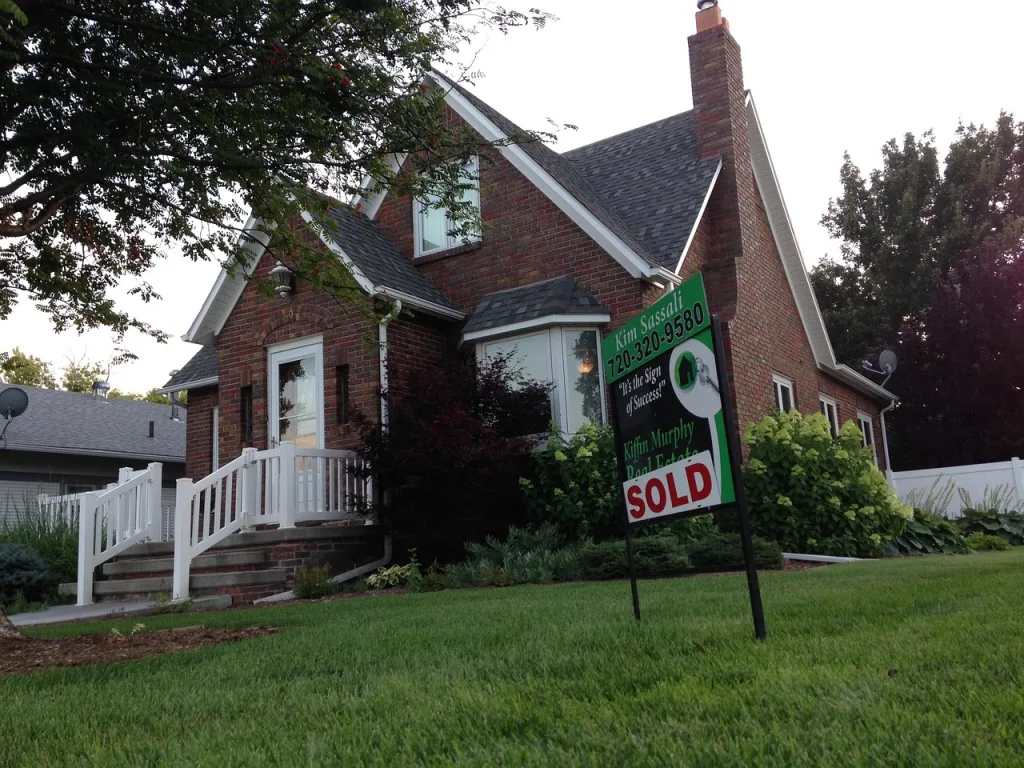
Looking to build wealth through real estate in 2026? Canada's property market offers diverse opportunities, from high-yield rentals in affordable Prairie cities to long-term appreciation in urban hubs...
The Lifetimes Canada editorial team curates, fact-checks, and updates guides on personal finance, property, health, immigration, legal, business, and lifestyle topics relevant to Lifetimes Canada readers. Articles are produced with AI assistance and reviewed by the editorial team before publication.
Looking to build wealth through real estate in 2026? Canada's property market offers diverse opportunities, from high-yield rentals in affordable Prairie cities to long-term appreciation in urban hubs. With interprovincial migration driving demand and economic shifts creating value pockets, now's the time to pinpoint the best cities to buy real estate in Canada for investment 2026.
Whether you're chasing cash flow, capital gains, or a balanced portfolio, factors like rental yields, population growth, and job resilience matter most. We'll break down top picks backed by 2026 data, including average home prices, rents, and yields, plus practical tips tailored for Canadian investors navigating CRA rules, provincial tenancy laws, and market forecasts.
Why Invest in Canadian Real Estate in 2026?
The Canadian Real Estate Association forecasts a slight market rebound after 2025's slowdown, with prices dipping in Toronto and Vancouver but surging in smaller centres like Quebec City (up 17%) and Regina. CMHC's Housing Market Outlook highlights steady rental demand amid low vacancy rates, especially in migration hotspots.
Key drivers include:
- Interprovincial migration: Alberta and Atlantic provinces lead inflows, boosting rental demand.
- Economic diversification: Tech, energy, and government jobs stabilise markets.
- Affordability gaps: Lower entry prices in secondary cities yield better cash flow than overheated metros.
For investors, calculate gross rental yield as (annual rent ÷ property price) × 100 to compare returns—essential for RRSP/TFSA planning or CRA capital gains reporting.

Top 10 Best Cities to Buy Real Estate in Canada for Investment 2026
Based on 2026 metrics like yields (up to 7.2% in Calgary), price growth, and vacancy rates under 2%, here are the standouts.
1. Calgary, Alberta
Ranked PwC's #1 real estate market for 2026 prospects, Calgary combines booming tech migration with high yields. Average home price: $618,270 (up 2.2% YoY); monthly rent: $1,914 (1-bed yield ~7.2%).
Investment edge: Energy recovery and interprovincial inflows create landlord markets. Focus on 1-bed condos or multi-units near downtown.
2. Edmonton, Alberta
Edmonton's low prices ($448,761 avg, up 2.4% YoY) and $1,603 avg rent deliver top "spread" for cash flow. Population: 1,190,000, with tech/healthcare growth.
Pro tip: Target homes with legal basement suites—Alberta's Residential Tenancies Act supports quick evictions for non-payment.
3. Toronto, Ontario
Tech/finance hub with high appreciation, despite 6% price dip in 2025. Stable rental demand in GTA submarkets; watch condo softness.
Avg rent supports long-term holds, but factor Toronto's 2.5% vacant home tax if unoccupied over six months.
4. Vancouver, BC
Luxury/international demand drives growth amid limited supply, though prices fell 4.5%. High entry but strong appreciation for patient investors.
BC's speculation tax (up to 2%) applies—use Speculation and Vacancy Tax calculator on gov.bc.ca.
5. Ottawa, Ontario
Government/tech stability shines: resilient jobs, steady demand. Ideal for conservative portfolios; underwrite condo variability.
6. Montréal, Québec
Cultural/tech hub with $573,800 avg price and $1,953 rent (7.2% yield). Universities fuel constant demand; Québec hit record $535,000 benchmark.
Actionable: Québec's Régie du logement offers strong tenant protections—prioritise credit-checked renters.
7. Halifax, Nova Scotia
Atlantic migration star: $553,100 avg price, $2,252 rent (6.7% yield). Low vacancy (<2%) amid supply shortages.
8. Winnipeg, Manitoba
Affordable entry with high yields and urban growth. Avg rent $1,571 (1.9% growth).
9. Moncton, New Brunswick
Maritimes hub with <2% vacancy from migration; low entry prices.
10. Victoria, BC
Tourism/tech rise: $2,120 rent (5.1% growth). Limited supply boosts values.
Key Metrics Comparison: Yields, Prices, and Growth
| City | Avg Home Price (2026) | Avg Monthly Rent | Gross Yield (%) | YoY Price Growth |
|---|---|---|---|---|
| Calgary, AB | $618,270 | $1,914 | 6.29-7.2 | +2.2% |
| Edmonton, AB | $448,761 | $1,603 | ~5.5 | +2.4% |
| Montréal, QC | $573,800 | $1,953 | 7.2 | Record high |
| Halifax, NS | $553,100 | $2,252 | 6.7 | N/A |
| Toronto, ON | High (GTA varies) | Stable | Moderate | -6% |
Practical Tips for Canadian Real Estate Investors in 2026
Maximize returns while staying compliant:
- Run the numbers: Use CMHC's rental market reports for vacancy data; aim for 5%+ yields.
- Financing smarts: Stress-test at Bank of Canada's 5-year qualifying rate (~5.25%). Explore CMHC insurance for multi-units.
- Tax strategies: Deduct mortgage interest via CRA's principal residence exemption; consider TFSA for REITs as a low-risk entry.
- Due diligence: Check provincial tenancy boards (e.g., Alberta's RTDRS for disputes). Use REALTOR.ca for comps.
- Risk mitigation: Diversify across provinces; insure against Alberta's oil volatility or Ontario's condo fees.
For hands-off investing, legal basement suites in Edmonton or duplexes in Hamilton offer dual income streams.
Next Steps to Invest Wisely
Start by downloading CMHC's 2026 outlook and crunching yields for your top three cities. Connect with a local REALTOR via CREA.ca, get pre-approved, and consult a tax advisor for CRA compliance. With Canada's market tilting toward value plays, positioning in these cities could secure your financial future—research, buy smart, and watch your portfolio grow.
Frequently Asked Questions
Sources & References
-
1
Top 10 Canadian Cities for Real Estate Investment in 2026 — getahouse.ca
-
2
Canada's Top 5 Cash-Flow Real Estate Markets for 2026 — movefaster.ca
- 3
-
4
Best Places to Invest in Real Estate (2026) — www.nesto.ca
- 5
-
6
Where Canada's real estate market is headed in 2026 — www.youtube.com
-
7
Canadian Real Estate: What to Expect in 2026 | The Social — www.youtube.com
-
8
Housing Market Outlook 2026 — www.cmhc-schl.gc.ca