Pre-Construction Condo Buying in Canada 2026: Risks, Delays, and Assignment Sales
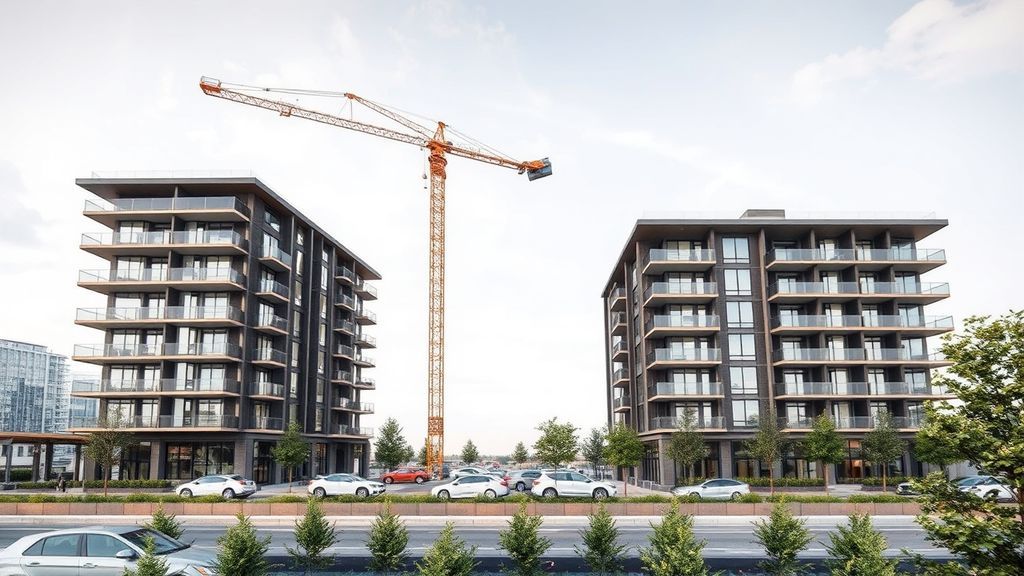
Imagine locking in your dream condo at today's prices, only to watch values soar as construction completes—sounds like a smart move in Canada's hot real estate market. But in 2026, with rising interes...
The Lifetimes Canada editorial team curates, fact-checks, and updates guides on personal finance, property, health, immigration, legal, business, and lifestyle topics relevant to Lifetimes Canada readers. Articles are produced with AI assistance and reviewed by the editorial team before publication.
Imagine locking in your dream condo at today's prices, only to watch values soar as construction completes—sounds like a smart move in Canada's hot real estate market. But in 2026, with rising interest rates and supply chain hiccups, pre-construction condo buying in Canada comes with pitfalls like delays, hidden fees, and tricky assignment sales that can turn excitement into frustration.
Whether you're a first-time buyer in the GTA or an investor eyeing growth areas like Pickering, understanding the risks, delays, and assignment sales is crucial. This guide breaks it all down with practical tips tailored for Canadians, drawing on current market insights and regulations.
Why Pre-Construction Condos Remain Popular in 2026
Pre-construction condos let you buy off-plans with smaller upfront deposits, leveraging appreciation while construction happens. In 2026, they're popular for their potential returns—downtown Toronto properties have averaged nearly 11.56% annual appreciation over two decades (pre-inflation). Projects like 1515 Pickering Parkway offer studios from the mid-$300s with extended deposits spread over years, making them accessible amid high resale prices.
Buyers benefit from customisation options, modern amenities, and prime locations near transit like the GO Train or upcoming Ontario Line. However, popularity doesn't mean risk-free—market slowdowns in Ontario could mean slower absorption of new inventory.
Key Benefits at a Glance
- Lower entry costs: Deposits often total 15-20%, paid in phases (e.g., 5% at signing, 5% in 90 days, more at milestones).
- Leverage: Put down 20% or less and capture 100% of appreciation at a 5:1 ratio.
- Flexibility: 10-day cooling-off period in Ontario for review.
- Investment upside: Time in the market beats timing it, especially in growth spots like Mississauga or Pickering.
The Top Risks of Pre-Construction Condo Buying in 2026
While promising, pre-construction isn't for the faint-hearted. Builder insolvency, market shifts, and legal fine print top the list of concerns for Canadian buyers this year.
Builder Reputation and Financial Stability
Choose developers with a track record—check if they've completed past projects on time. Poor financing can signal trouble, leading to stalled builds. Research via platforms like PreconFactory or RECO-licensed realtors specialising in pre-con.
Hidden Costs and Financing Hurdles
Expect development charges, legal fees, and warranty costs beyond your deposit. Non-residents face the Prohibition on the Purchase of Residential Property by Non-Canadians Act (with 2026 exemptions for some pre-con), plus financing challenges. Update your mortgage approval a year before occupancy to dodge rate hikes.
Market Volatility
With slowing demand in Toronto, 2026 could see softer resale values, impacting assignment sales. Always assess location for long-term value—proximity to schools, transit, and amenities is key.
Tip: During Ontario's mandatory 10-day cooling-off, have a lawyer review the Agreement of Purchase and Sale (APS) for closing costs and clauses.
Construction Delays: What to Expect and How to Protect Yourself
Delays are the norm in pre-construction—typically 3-8 months from marketed occupancy, which many accept. But chronic issues (a year+) raise red flags. In 2026, supply chain woes and labour shortages exacerbate this, especially for GTA towers like those in Pickering with 2028 occupancy.
Legal Protections Under Tarion
Tarion Warranty Corporation covers new Ontario condos. If delays exceed thresholds, you're eligible for delayed occupancy rebates up to $7,500. Always get proper delay notices from the builder.
Practical Steps to Minimise Delay Impact
- Research developer history for past delays.
- Factor buffer time into your plans—don't count on exact occupancy.
- Monitor progress via site visits or updates from your realtor.
- Budget for interim housing or rent if renting elsewhere.
Projects with extended deposits, like 5% annually until 2026 then 5% on occupancy, ease cash flow during waits.
Assignment Sales: Opportunities and Pitfalls Explained
Assignment sales let you sell your pre-con contract before closing, profiting from appreciation without taking possession. Ideal if plans change, but 2026's market requires caution.
How Assignments Work
Sign an APS, pay deposits, then assign to a new buyer who assumes your contract. Fees apply (often $10,000+), and builder approval is needed. Tax implications hit via CRA rules—consult an accountant.
Risks in 2026
- Builder restrictions: Many limit or ban assignments to control flips.
- Market dependence: Soft demand could mean selling below purchase price.
- Legal fees: Double closings add costs; use experienced lawyers.
Pro Tip: Compare projects during cooling-off to ensure assignability. Platforms like GTA-Homes guide the process.
Step-by-Step Guide to Buying Pre-Construction in 2026
Follow these steps for a smooth purchase:
- Register and select: Access floor plans, pick your suite (e.g., 1-bed from $400s).
- Sign APS: Bring ID and cheques; agent assists.
- Cooling-off review: Lawyer checks details.
- Deposits: Pay per schedule.
- Pre-closing: Update mortgage, sign finals.
- Occupancy: Move in (or assign).
Work with RECO-licensed pros and check condo finances for health.
Is 2026 the Right Time? Market Outlook
With new supply slowing and demand steady, 2026 offers buyer opportunities in Toronto—lower prices than peaks, but verify affordability. Focus on desirable spots like transit hubs.
Next Steps for Smart Buying
Start by listing must-haves: location, size, budget. Connect with a RECO realtor experienced in pre-con, review Tarion protections, and run numbers with a mortgage broker. In 2026, patience pays—research thoroughly to sidestep risks and capitalise on assignment potential or long-term holds. Your future self (and wallet) will thank you.
Frequently Asked Questions
Sources & References
-
1
Why Pre-Construction Condos Are Popular in Canada | 2026 Guide — monsefproperties.ca
- 2
-
3
GTA Pre-Construction Condos: First-Time Buyer's Guide 2026 — 1515pickering.ca
-
4
Buying Pre-Construction in Canada as a Non-Resident Guide — preconfactory.com
-
5
Buying A Toronto Condo | Huge Mistakes To Avoid (2026) - YouTube — www.youtube.com
-
6
Pre-Construction Buying Guide in Canada: Factors to Consider — www.tallproperty.com
-
7
Is 2026 a Good Time to Buy a Condo in Toronto? Complete Buyer Guide — www.trustcondos.ca
-
8
Step-by-Step Guide to Buying a Pre-Construction Condo - GTA-Homes — www.gta-homes.com
Related Articles

Buying a Foreclosure or Power of Sale Property in Canada 2026
When you hear the words "foreclosure" or "power of sale," it's easy to imagine scoring a home for a steal. In Canada's competitive real estate market, these properties can indeed offer a discount, but...
Laneway Houses and Garden Suites in Canada 2026: Costs and ROI
Imagine unlocking hidden value in your backyard without selling your family home. Laneway houses and garden suites offer Canadians a smart way to create rental income, house ageing parents, or boost p...
Land Transfer Tax in Canada 2026: Calculator and First-Time Buyer Rebates
Buying your first home in Canada is an exciting milestone, but those closing costs can quickly add up. One of the biggest surprises for many buyers is the land transfer tax, a provincial fee based on...

Foreign Buyer Ban in Canada 2026: Exemptions and What It Means for the Market
Canada's foreign buyer ban has reshaped the real estate landscape since its introduction, and understanding how it works in 2026 is crucial if you're buying, selling, or investing in property. The Pro...