Canada Study Permit 2026: How to Apply, Costs and What Changed

Planning to study in Canada in 2026? Whether you're eyeing a university degree or a specialized program, understanding the latest study permit rules is essential for a smooth application process. With...
The Lifetimes Canada editorial team curates, fact-checks, and updates guides on personal finance, property, health, immigration, legal, business, and lifestyle topics relevant to Lifetimes Canada readers. Articles are produced with AI assistance and reviewed by the editorial team before publication.
Planning to study in Canada in 2026? Whether you're eyeing a university degree or a specialized program, understanding the latest study permit rules is essential for a smooth application process. With recent changes to caps, exemptions, and permit durations, here's everything you need to know about the Canada Study Permit 2026: How to Apply, Costs and What Changed.
Eligibility for a Canada Study Permit in 2026
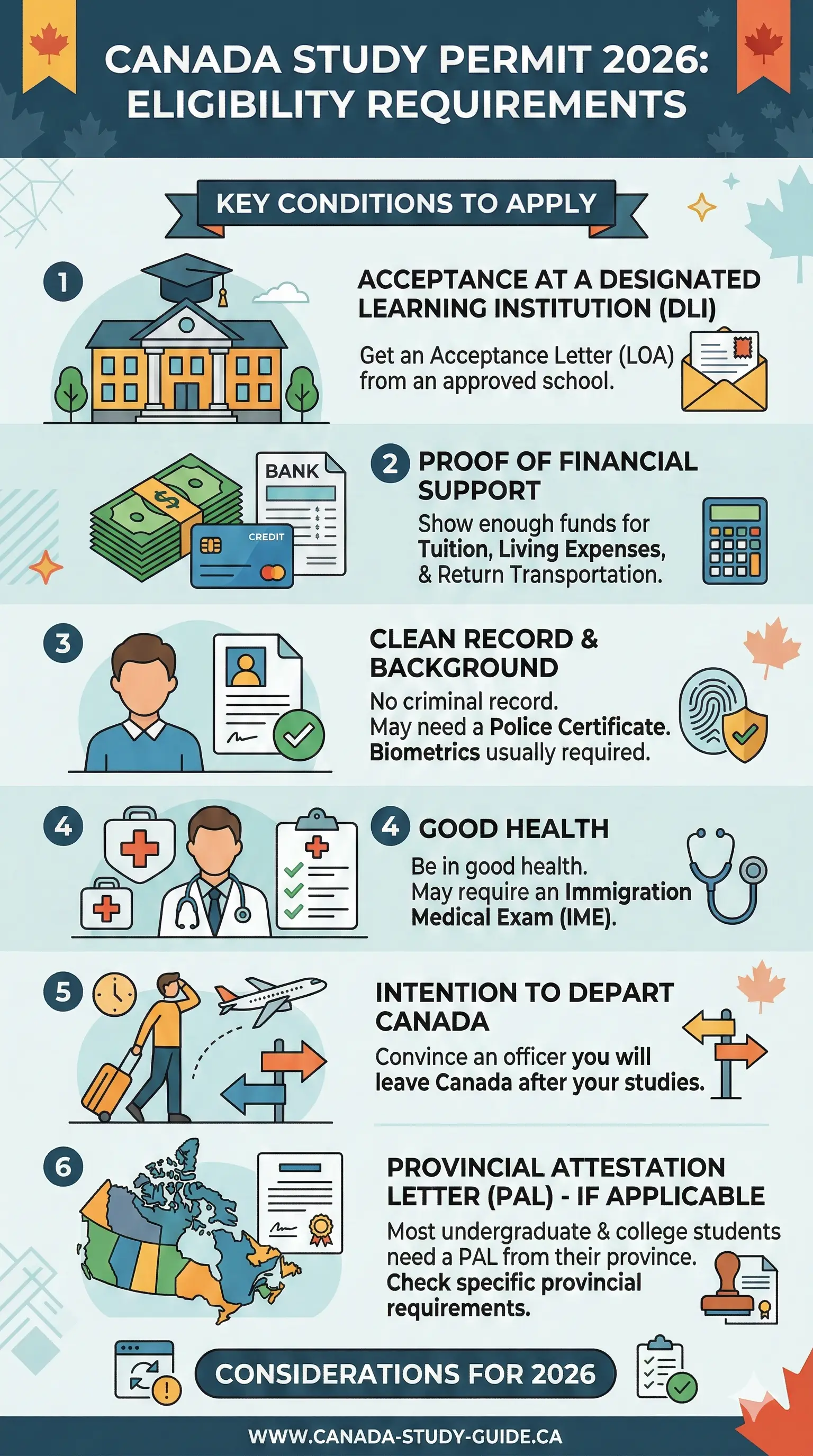
To qualify for a study permit, you must meet strict criteria set by Immigration, Refugees and Citizenship Canada (IRCC). First, you need acceptance from a Designated Learning Institution (DLI)—a school approved by the government to host international students. Prove you have sufficient funds for tuition, living expenses for yourself and any family members, and return transportation.
Other key requirements include:
- No criminal record; a police certificate may be required.
- Good health, with a medical exam if needed.
- Convincing evidence you'll leave Canada after your studies end.
Once approved, you must stay enrolled at a DLI, make academic progress, and follow any permit conditions like work restrictions or school changes.
Financial Proof Requirements
IRCC demands clear evidence of funds. For 2026, expect to show at least CAD $20,635 for living expenses (outside Quebec), plus tuition and travel—amounts adjusted annually for inflation. Bank statements, GIC proofs, or sponsor letters work best. Family members add to the total: CAD $10,000 per accompanying adult, CAD $4,000 per child.
How to Apply for Your 2026 Study Permit: Step-by-Step Guide
Most applications go online via the IRCC portal—paper is rare, only for disabilities or specific cases. Start early, as processing times average 8-12 weeks, longer from high-volume countries.
- Get your acceptance letter from a DLI.
- Secure a Provincial Attestation Letter (PAL/TAL)—unless exempt (more below).
- Gather documents: passport, photos, financial proof, and biometrics (CAD $85).
- Answer IRCC questions online for a personalized checklist.
- Pay fees and submit (details next).
- Attend biometrics if required, then wait for approval.
- Travel with approval letter; get the permit at the border if needed.
Pro tip: Use the IRCC web form for updates and track via your account. Apply from outside Canada unless exempt, like holding a valid permit.
Costs of a Canada Study Permit in 2026
Budget carefully—these fees add up quickly:
| Item | Cost (CAD) |
|---|---|
| Study permit application (outside Canada) | $150 |
| Biometrics (per person) | $85 |
| Biometrics (family, max) | $170 |
| Medical exam (if required) | $200-$500 |
| Police certificate | $25-$100 |
| Quebec CAQ (if applicable) | $130 approx. |
Total upfront: often CAD $500+, excluding travel or tuition. No refunds for refusals, so double-check everything.
Key Changes for Canada Study Permits in 2026
2026 brings targeted reforms to manage international student numbers while prioritizing talent. Here's what's new:
Study Permit Caps and PAL/TAL Requirements
Canada aims for 408,000 total study permits in 2026, with 180,000 needing a PAL/TAL—allocated provincially (e.g., Ontario gets the largest share). Most applicants must submit this letter from the study province, verifying your spot against quotas.
Big exemption: Master's and PhD students at public DLIs skip the PAL/TAL and cap counting from January 1, 2026—expected 49,000 permits here to boost innovation. Undergrads and private school students still need it.
Other exemptions: K-12 students, extensions at the same DLI/level, and priority groups.
Shorter Permits for Prerequisite Courses
Pathway programs (e.g., ESL, foundation years) now get permits ending just 90 days post-course, down from one year—updated February 19, 2026. Example: A 4-month ESL ending September 6 permits to December 5 only. This pushes quick progression and cuts extensions.
Other Updates
- Stronger fraud checks on acceptance letters.
- PhD families may get 14-day processing.
- PGWP eligibility tweaks: Check field/language before applying.
These shifts aim to balance housing pressures with genuine students. Institutions in smaller cities may see fewer pathway enrolments.
Practical Tips for a Successful 2026 Application
As Canadians helping friends or family navigate this, emphasize these steps:
- Choose public DLIs for grad exemptions—check the upcoming list on canada.ca.
- Apply 3-6 months early; trends show strong profiles win: clear SOPs, verified funds.
- Quebec? Get a CAQ first.
- Work? Off-campus up to 20 hours/week needs full-time enrolment.
- Extensions: Apply before expiry, same DLI/level often exempt from PAL/TAL.
Use IRCC's "Come to Canada" tool for tailored advice.
Next Steps for Your 2026 Study Adventure
Ready to apply? Verify your DLI on canada.ca, gather docs, and submit online today. Monitor IRCC for updates—these rules evolve fast. With smart planning, you'll join Canada's vibrant campuses. For personalized help, check Lifetimes Canada resources or a licensed consultant. Your future starts here!
Frequently Asked Questions
Sources & References
-
1
Study permit: Who can apply - Canada.ca — www.canada.ca
-
2
Study permits and visas - EduCanada — www.educanada.ca
- 3
- 4
-
5
International student visa permits: What to know - University Affairs — universityaffairs.ca
-
6
Canada to Exempt Master's and PhD Students from Federal Study Permit Cap — www.clarkhill.com
- 7
-
8
Canada: 2026 International Student Cap and Allocations Announced — www.fragomen.com
-
9
Canada Study Permit Trends 2026 — immigcanada.com