Dermal Fillers Cost in Canada 2026: Lips, Cheeks, and Jawline

Dermal fillers have become one of Canada's fastest-growing cosmetic treatments, with the market expanding at 8% annually and expected to nearly double from CAD $218 million in 2025 to over CAD $407 mi...
The Lifetimes Canada editorial team curates, fact-checks, and updates guides on personal finance, property, health, immigration, legal, business, and lifestyle topics relevant to Lifetimes Canada readers. Articles are produced with AI assistance and reviewed by the editorial team before publication.
Dermal fillers have become one of Canada's fastest-growing cosmetic treatments, with the market expanding at 8% annually and expected to nearly double from CAD $218 million in 2025 to over CAD $407 million by 2033. Whether you're considering a subtle lip enhancement, fuller cheeks, or a more defined jawline, understanding the costs, types, and what to expect is essential before booking your appointment.
What Are Dermal Fillers and Why Canadians Are Choosing Them
Dermal fillers are injectable treatments that restore volume, smooth wrinkles, and enhance facial features without surgery. They've become increasingly popular across Canada because they're minimally invasive, require no downtime, and deliver visible results within days. The broader facial injectable market in Canada—which includes both fillers and botulinum toxin treatments—generated CAD $617 million in 2024 and is projected to reach CAD $1,068 million by 2030, growing at 9.7% annually.
The appeal is clear: Canadians want cosmetic enhancement without the commitment, recovery time, or expense of surgical procedures. Social media influence, greater acceptance of aesthetic treatments among both men and women, and improved product formulations have all contributed to this surge in demand.
Types of Dermal Fillers Available in Canada
Not all dermal fillers are the same. The market offers several options, each with different properties, longevity, and price points.
Hyaluronic Acid (HA) Fillers
Hyaluronic acid remains the most popular choice in Canada, accounting for 89.36% of the dermal filler market in 2025. HA fillers work by attracting and holding water molecules, creating natural-looking volume. Common brands include Juvéderm and Restylane.
Advantages: Natural results, reversible (can be dissolved if needed), minimal allergic reactions, and FDA/Health Canada approved.
Longevity: Typically 6–12 months, depending on metabolism and filler type.
Calcium Hydroxylapatite (CaHA)
CaHA is the fastest-growing filler segment in Canada's market. This mineral-based filler stimulates collagen production, offering longer-lasting results than HA.
Advantages: Lasts 12–18 months, stimulates natural collagen, excellent for deeper lines and volume loss.
Best for: Jawline definition, cheek augmentation, and nasolabial folds.
Other Filler Types
Canada's dermal filler market also includes:
- Poly-L-lactic acid (PLLA): Stimulates collagen over time; results develop gradually over weeks.
- Polymethyl methacrylate (PMMA): Semi-permanent; best for experienced practitioners and specific applications.
- Collagen fillers: Less common today but still available; shorter duration (3–4 months).
Dermal Fillers Cost in Canada: What to Expect
Pricing varies significantly across Canada based on location, clinic reputation, practitioner experience, and filler type.
General Cost Range
Individual dermal filler procedures typically range from CAD $500 to CAD $2,000 per session, depending on the product used and treatment area. However, Canadian pricing often sits at the higher end due to import costs, clinic overhead, and practitioner qualifications.
Cost by Treatment Area
Lips: CAD $600–$1,200 per syringe. Most people need 0.5–1 syringe for subtle enhancement; fuller lips may require 1–2 syringes.
Cheeks: CAD $800–$1,500 per syringe. Cheek augmentation typically requires 1–2 syringes for noticeable lift and definition.
Jawline: CAD $1,000–$1,800 per syringe. Jawline contouring often requires multiple syringes (1.5–3) for balanced, sculpted results.
Nasolabial folds (smile lines): CAD $600–$1,000 per syringe.
Under-eye area: CAD $500–$900 per syringe. This delicate area requires a skilled injector.
Maintenance Costs
Because fillers are temporary, maintenance is essential. Most Canadians budget for touch-ups every 6–12 months, depending on filler type and individual metabolism. Over a year, cumulative costs for regular maintenance can range from CAD $1,500 to CAD $5,000 or more for multiple treatment areas.
Factors That Influence Dermal Filler Pricing in Canada
Practitioner Credentials
Board-certified dermatologists and plastic surgeons typically charge more than nurses or aestheticians, but their expertise reduces complications. In Canada, look for practitioners registered with professional bodies like the Canadian Medical Association (CMA) or the Canadian Society of Plastic Surgeons (CSPS).
Clinic Location
Major Canadian cities—Toronto, Vancouver, Montreal, Calgary—have higher costs than smaller cities. Urban clinics with premium facilities and experienced injectors command premium prices.
Filler Brand and Type
Premium brands like Juvéderm Voluma and Restylane Lyft cost more than generic alternatives. CaHA fillers (which last longer) are typically pricier than standard HA fillers.
Quantity Needed
Larger treatment areas or more dramatic results require more product, increasing costs. A full-face rejuvenation might use 4–6 syringes, while a single lip enhancement uses 0.5–1 syringe.
Are Dermal Fillers Covered by Canadian Insurance?
Dermal fillers are considered cosmetic procedures and are not covered by provincial health plans (such as Ontario Health or BC Medical Services Plan) or most private insurance plans in Canada. However, if fillers are used for reconstructive purposes—such as correcting facial asymmetry from an accident or medical condition—partial coverage may be possible. Always check with your insurance provider first.
Some employers offer extended health benefits that include aesthetic treatments, so review your employee benefits booklet or contact your HR department.
Choosing a Qualified Practitioner in Canada
Safety and results depend heavily on practitioner skill. Here's how to find a qualified injector:
- Verify credentials: Confirm they're a licensed physician, nurse practitioner, or registered nurse with specific training in injectable aesthetics.
- Check professional memberships: Look for membership in the Canadian Dermatology Association, CSPS, or similar bodies.
- Review before-and-after photos: Request a portfolio of actual patient results (with consent).
- Ask about complications: A reputable practitioner will discuss potential side effects and have a plan to manage them.
- Ensure proper licensing: Verify the clinic is properly licensed and uses Health Canada-approved products.
- Trust your instincts: If something feels off during your consultation, find another provider.
Potential Side Effects and Risks
While dermal fillers are generally safe, complications can occur, especially with inexperienced injectors. Common side effects include:
- Bruising and swelling (typically resolve within 1–2 weeks)
- Redness and tenderness at injection sites
- Allergic reactions (rare with HA fillers)
- Asymmetry or overcorrection
- Granulomas (nodules that form around filler material)
- Vascular complications (rare but serious)
If you experience severe pain, vision changes, or signs of infection, contact your practitioner or seek emergency care immediately.
Making Your Decision: Is It Right for You?
Dermal fillers can deliver impressive results, but they're an investment in both time and money. Before booking, ask yourself:
- Do I have realistic expectations about results?
- Am I comfortable with temporary results and ongoing maintenance?
- Can I afford both the initial treatment and regular touch-ups?
- Have I researched qualified practitioners in my area?
- Am I doing this for myself, not external pressure?
If you've answered yes to these questions, dermal fillers could be a great option. Start with a consultation at a reputable clinic—most offer free or low-cost consultations where you can discuss your goals, see before-and-after photos, and get a personalized treatment plan and cost estimate.
The dermal filler market in Canada continues to grow because results are real and the procedure is accessible. Whether you're considering subtle enhancement or more dramatic transformation, understanding costs, types, and risks ensures you make an informed decision that aligns with your aesthetic goals and budget.
Frequently Asked Questions
Sources & References
-
1
Canada Dermal Fillers Market Size & Outlook, 2026-2033 — Grand View Research — www.grandviewresearch.com
-
2
Canada Facial Injectable Market Size & Outlook, 2025-2030 — Grand View Research — www.grandviewresearch.com
-
3
Dermal Fillers Market Size & Trends 2026-2036 — Future Market Insights — www.futuremarketinsights.com
Related Articles

Morpheus8 Treatment Cost and Reviews in Canada 2026
If you're considering Morpheus8 treatment in Canada, you're likely wondering about the cost, the results, and whether it's worth the investment. As we move through 2026, this innovative skin tightenin...
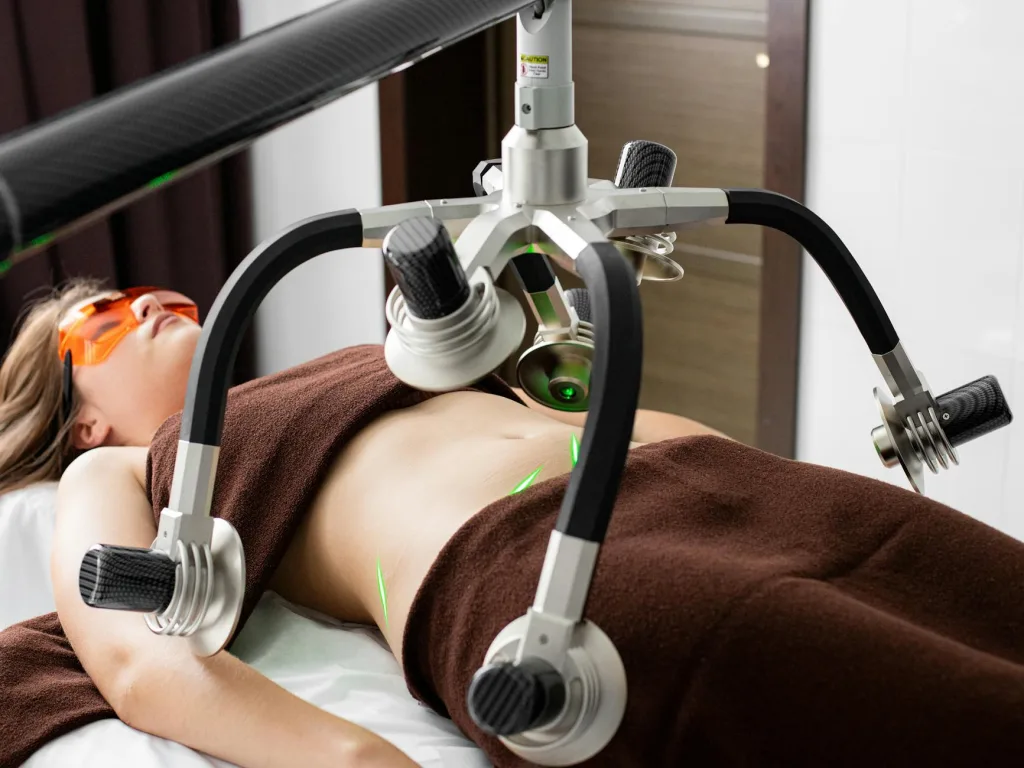
Liposuction vs CoolSculpting in Canada 2026: Which Fat Removal is Best?
Struggling with stubborn fat pockets that won't budge despite your best efforts at the gym and healthy eating? In Canada, where busy lifestyles leave little room for long recoveries, liposuction and C...