Car Theft in Canada 2026: How It’s Driving Up Your Auto Insurance Premiums
If you’ve opened your auto insurance renewal notice recently and felt a jolt of sticker shock, you’re not alone. Across Canada, premiums are climbing, and one of the biggest culprits is a surge in veh...
The Lifetimes Canada editorial team curates, fact-checks, and updates guides on personal finance, property, health, immigration, legal, business, and lifestyle topics relevant to Lifetimes Canada readers. Articles are produced with AI assistance and reviewed by the editorial team before publication.
If you’ve opened your auto insurance renewal notice recently and felt a jolt of sticker shock, you’re not alone. Across Canada, premiums are climbing, and one of the biggest culprits is a surge in vehicle theft that shows no signs of slowing down. In 2026, car theft isn’t just a nuisance for vehicle owners — it’s a systemic problem that’s reshaping the auto insurance landscape from coast to coast. Let’s break down what’s happening, why it matters to your wallet, and what you can do about it.
The Scale of the Problem: Car Theft in Canada
Car theft in Canada has reached alarming levels. According to Statistics Canada, police-reported motor vehicle thefts increased by 24% between 2021 and 2023, with over 100,000 vehicles stolen annually [1]. The trend has continued into 2026, with organized crime rings increasingly targeting high-value SUVs and pickup trucks for export overseas. The Insurance Bureau of Canada (IBC) reports that auto theft costs Canadian policyholders and insurers more than $1.5 billion each year [2].
This isn’t just a problem in major urban centres like Toronto, Montreal, and Vancouver. Smaller communities are also seeing spikes as thieves adapt their methods. In Ontario alone, vehicle thefts rose by 48% between 2018 and 2023, with the province accounting for roughly 40% of all stolen vehicles in the country [3].
How Car Theft Directly Drives Up Your Premiums
You might think, “I have comprehensive coverage — I’m protected.” And you’re right, but here’s the catch: when insurers pay out more claims for stolen vehicles, they recoup those losses by raising premiums for all policyholders. It’s a shared burden.
Claim Costs Are Soaring
The average payout for a stolen vehicle in Canada is now over $40,000, thanks to the rising value of new and used cars [2]. When thousands of these claims hit the system each year, insurers must adjust their pricing models. The result? Rate increases of 10% to 25% or more for drivers, especially those in high-theft areas or who own frequently targeted models.
Reinsurance Costs Are Rising
Insurers themselves buy insurance — called reinsurance — to protect against catastrophic losses. As Canadian auto theft claims mount, global reinsurers are raising their rates for Canadian insurers. Those costs are passed directly down to you, the consumer.
Higher Risk = Higher Premiums for Everyone
Insurers use complex algorithms to set rates. When theft rates spike in a particular postal code, every driver in that area — even those with spotless driving records — can see their premiums jump. This is especially true in parts of Ontario, Alberta, and British Columbia, where theft rates are highest.
Which Vehicles Are Most at Risk in 2026?
According to the Insurance Bureau of Canada, the most stolen vehicles in Canada tend to be newer, high-value SUVs and pickup trucks. Common targets include:
- Ford F-Series (F-150, Super Duty)
- Dodge Ram 1500
- Toyota Highlander
- Honda CR-V
- Lexus RX Series
- Chevrolet/GMC Suburban and Yukon
These vehicles are popular because they’re easy to resell or export, and many older models lack modern anti-theft technology. However, even newer vehicles with keyless entry systems are vulnerable to “relay attacks,” where thieves amplify the signal from your key fob to unlock and start the car.
What Can You Do to Protect Your Vehicle and Your Premiums?
While you can’t control the broader insurance market, you can take steps to reduce your personal risk — and potentially earn a discount on your premium.
Install an Anti-Theft Device
Many insurers offer discounts of 5% to 15% for vehicles equipped with approved anti-theft devices. These include:
- Steering wheel locks (like The Club)
- Brake pedal locks
- GPS tracking systems (e.g., Tag, LoJack)
- Engine immobilizers
- Kill switches
Check with your insurer to see which devices qualify for a discount.
Use Simple, Low-Tech Deterrents
Thieves often target the easiest vehicles. A visible steering wheel lock, a flashing LED light, or even a parked car in a well-lit area can be enough to make them move on. Parking in a garage (if available) dramatically reduces risk.
Protect Your Key Fob
For vehicles with keyless entry, store your fob in a Faraday pouch or a metal tin when at home. This blocks the signal that thieves use for relay attacks. You can also turn off the fob’s wireless signal if your vehicle allows it.
Consider a Telematics Device
Some insurers offer usage-based insurance programs that track your driving and parking habits. If you park in a low-risk area and drive responsibly, you could qualify for lower rates. These devices also help recover stolen vehicles faster.
What to Do If Your Car Is Stolen
If the worst happens, act quickly:
- Call the police immediately and file a report. Get the case number.
- Contact your insurance company as soon as possible to start the claims process.
- Provide documentation: Your vehicle registration, proof of ownership, and any aftermarket modifications (receipts help).
- Notify your lender if you have a loan or lease on the vehicle.
- Keep records of all communications with police and your insurer.
Most comprehensive policies cover theft, but you’ll still be responsible for your deductible. Some insurers have increased deductibles for theft claims in high-risk areas, so check your policy details.
The Role of Government and Industry in 2026
Governments and the insurance industry are working to combat the crisis. In 2024, the federal government launched a National Action Plan on Auto Theft, which includes increased funding for police task forces, stricter penalties for theft-related offences, and improved port security to prevent stolen vehicles from being exported [4].
Ontario and Quebec have also introduced new regulations requiring auto manufacturers to improve anti-theft technology in new vehicles. As of 2026, many 2025 and 2026 model years come with enhanced immobilizers and tracking systems as standard equipment.
The Insurance Bureau of Canada continues to lobby for stronger measures, including a national registry of stolen vehicles and better data sharing between provinces and law enforcement agencies.
Looking Ahead: What 2026 Means for Your Wallet
Car theft in Canada is not going away overnight, but the situation is not hopeless. By staying informed, taking proactive steps to protect your vehicle, and shopping around for insurance, you can minimize the impact on your finances. Remember: loyalty doesn’t always pay. Compare quotes from multiple insurers at least once a year to ensure you’re getting the best rate for your coverage.
If you’re in a high-theft area, consider increasing your deductible to lower your premium — just make sure you can afford the out-of-pocket cost if you need to file a claim. And always, always keep your vehicle’s anti-theft features up to date.
The bottom line? Car theft is driving up premiums for everyone, but you have more control than you think. Take action today to protect your vehicle and your budget.
Frequently Asked Questions
Sources & References
-
1
Statistics Canada — Police-reported motor vehicle thefts, 2021 to 2023 — www150.statcan.gc.ca
-
2
Insurance Bureau of Canada — Auto Theft in Canada — www.ibc.ca
-
3
Ontario Government — Auto Theft Prevention and Resources — www.ontario.ca
-
4
Public Safety Canada — National Action Plan on Auto Theft — www.canada.ca
Related Articles
Best Car Insurance Companies in Ontario 2026: Compare Rates for Clean Records
If you’ve got a clean driving record in Ontario, you’re in a strong position. You’ve earned the right to shop for the best rates, and insurers are eager to compete for your business. But with dozens o...
Commercial Auto Insurance in Canada 2026: Fleet Rates and Trends
If you manage a fleet of vehicles in Canada, you already know that commercial auto insurance isn't just another line item on your balance sheet — it's a critical part of your operational stability. In...
Telematics Car Insurance in Canada 2026: Is Tracking Your Driving Worth the Discount?
Imagine getting paid to be a better driver. That’s the promise of telematics car insurance, often called usage-based insurance (UBI) or “pay-as-you-drive” insurance. In Canada, where auto insurance pr...
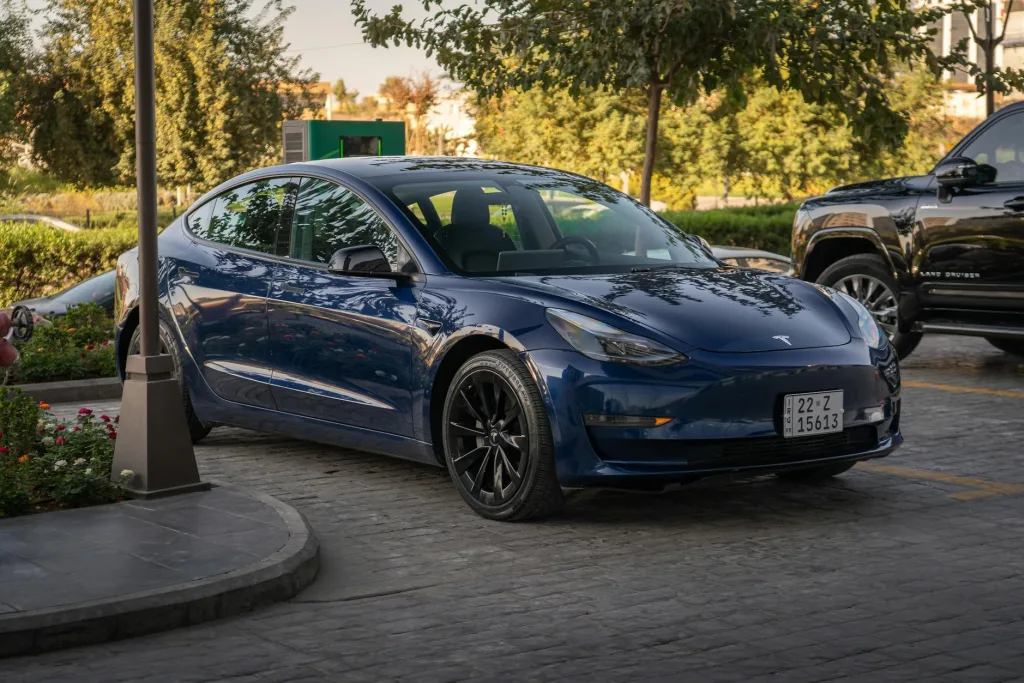
EV Car Insurance in Canada 2026: Are Teslas More Expensive to Insure?
If you’re shopping for a new electric vehicle (EV) in Canada this year, the question of insurance costs is likely top of mind. With more Canadians making the switch to electric, one brand consistently...