EV Car Insurance in Canada 2026: Are Teslas More Expensive to Insure?
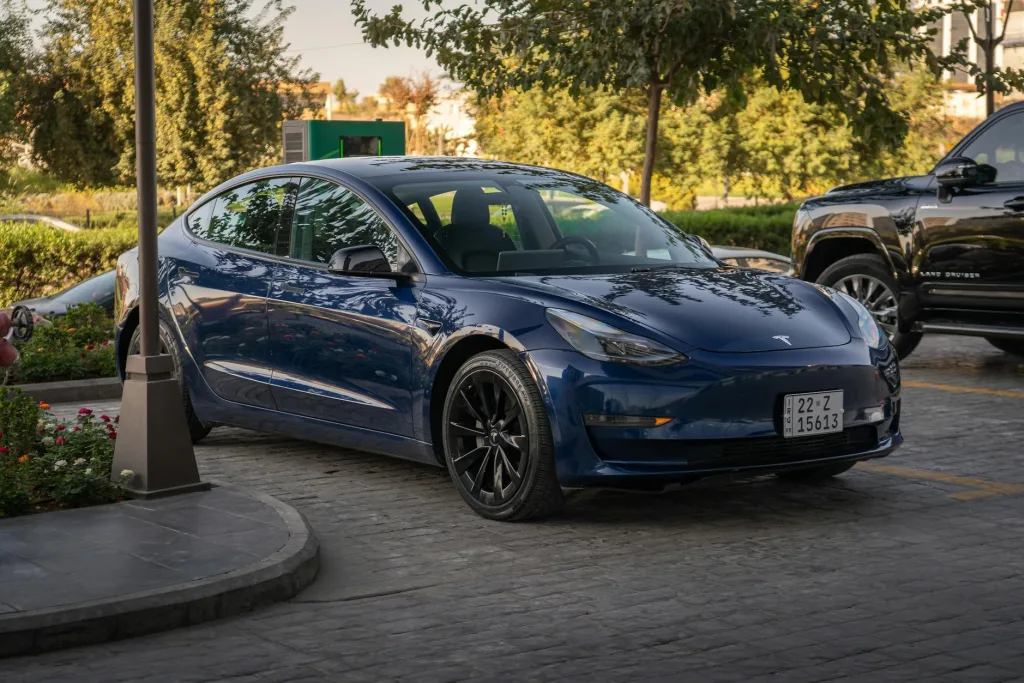
If you’re shopping for a new electric vehicle (EV) in Canada this year, the question of insurance costs is likely top of mind. With more Canadians making the switch to electric, one brand consistently...
The Lifetimes Canada editorial team curates, fact-checks, and updates guides on personal finance, property, health, immigration, legal, business, and lifestyle topics relevant to Lifetimes Canada readers. Articles are produced with AI assistance and reviewed by the editorial team before publication.
If you’re shopping for a new electric vehicle (EV) in Canada this year, the question of insurance costs is likely top of mind. With more Canadians making the switch to electric, one brand consistently sparks debate: Tesla. Are Teslas genuinely more expensive to insure than other EVs or traditional petrol cars? And what does the EV car insurance landscape look like in Canada for 2026? We’ve dug into the latest data, insurer trends, and repair costs to give you a clear picture.
This incident is Canada-based with direct relevance to Canadian drivers, insurers, and vehicle owners.
Why EV Insurance Costs Differ in Canada
Insuring an electric vehicle in Canada isn’t the same as insuring a conventional internal combustion engine (ICE) car. Several factors unique to EVs influence premiums, and understanding them is key to making an informed choice.
Higher Repair and Replacement Costs
EVs, particularly Teslas, are built with advanced technology and lightweight materials like aluminium and carbon fibre. While this improves efficiency, it also makes repairs more expensive. A minor collision that might be a simple panel replacement on a Honda Civic can become a complex, costly repair on a Tesla. Additionally, EV batteries are expensive to replace or repair, and many insurers factor this into your premium. According to the Insurance Bureau of Canada, the average cost to repair an EV after a collision is significantly higher than for a comparable ICE vehicle [1].
Specialized Labour and Parts Availability
Not every auto body shop can repair a Tesla. Certified repair centres require specialised training, equipment, and access to genuine parts. This limited network can lead to longer wait times and higher labour costs, both of which drive up insurance premiums. For many Canadian drivers, especially in rural or remote areas, finding a certified repair facility can be a genuine challenge.
Battery Theft and Fire Risk
While EV fires are statistically rare, they are more difficult to extinguish than petrol fires and can cause catastrophic damage. Insurers also consider the risk of battery theft, which is a growing concern. These factors contribute to the overall risk profile insurers use when calculating your rate.
Are Teslas More Expensive to Insure in Canada?
In short: yes, generally, Teslas are more expensive to insure than most other EVs and certainly more than the average ICE vehicle in Canada. However, the gap is narrowing as more insurers gain experience with the brand and as competition in the EV market increases.
Comparing Tesla Models to Other EVs
Let’s look at how Tesla stacks up against some popular competitors in the Canadian market for 2026.
- Tesla Model 3 vs. Chevrolet Bolt EV: The Chevy Bolt is generally cheaper to insure. Its lower repair costs, more widely available parts, and less exotic construction mean lower premiums. You might pay 15-25% more to insure a Model 3 than a comparable Bolt.
- Tesla Model Y vs. Hyundai Ioniq 5 / Kia EV6: This is a closer comparison. The Ioniq 5 and EV6 are popular and have good safety ratings, but their repair costs can also be high. Still, Tesla’s parts network and repair complexity often push its premiums slightly higher.
- Tesla Model S/X vs. Luxury ICE Sedans (e.g., BMW 7 Series, Mercedes S-Class): Here, the difference is less pronounced. High-end luxury cars are expensive to insure regardless of powertrain. The Tesla may be comparable or even slightly less expensive than a top-tier German luxury sedan.
According to a 2025 report from Rates.ca, Tesla owners in Ontario and British Columbia reported average annual premiums that were 20-30% higher than for similar-sized EVs from traditional automakers [2].
Key Factors Driving Tesla Insurance Costs in 2026
Repair Network and Parts Delays
Tesla’s approach to repairs is unique. They often require parts to be shipped from the US or overseas, and they have a smaller network of certified body shops compared to legacy automakers. This can mean weeks of waiting for a repair, which translates to higher rental car costs for the insurer – and ultimately, a higher premium for you.
Safety Features and Repair Complexity
Teslas are packed with sensors, cameras, and radar systems. Even a minor front-end collision can require recalibration of these systems, which is a costly and time-consuming process. While these features make the car safer and reduce the likelihood of an accident, they make repairs much more expensive when an accident does occur.
Insurance Company Competition
In 2026, more insurers are offering competitive rates for EVs, including Teslas. Companies like Aviva, Intact, and TD Insurance have specific EV insurance products. However, not all insurers are equally comfortable with the risk profile of a Tesla. Some may charge a premium simply because they lack data or experience. It pays to shop around.
How to Get the Best EV Car Insurance Rate in Canada
You don’t have to accept the first quote you receive. Here are practical steps to lower your premium.
1. Compare Multiple Quotes
This is the single most effective step. Use online comparison tools like Rates.ca, Kanetix, or InsurEye to get quotes from multiple insurers. Don’t just look at the big names; smaller, regional insurers may offer better rates for your specific driving profile.
2. Bundle Your Policies
If you have a home, condo, or tenant insurance policy, bundling it with your auto insurance can save you 10-15% or more. Many insurers offer significant multi-policy discounts.
3. Increase Your Deductible
Raising your collision and comprehensive deductible from $500 to $1,000 or even $2,000 can lower your premium substantially. Just ensure you have the cash on hand to cover the deductible if you need to make a claim.
4. Take Advantage of Telematics
Some insurers offer usage-based insurance (UBI) programs where a device or app tracks your driving habits. Safe driving, low mileage, and avoiding late-night driving can earn you a discount. Programs like Intact’s myDrive or Desjardins’ Ajusto are available across Canada.
5. Maintain a Clean Driving Record
This is universal advice, but it’s especially important for EV owners. A single at-fault accident can dramatically increase your premium, given the higher repair costs of an EV. Defensive driving courses can also help.
The Role of Government Incentives and Regulations
Federal and provincial incentives for purchasing EVs can indirectly affect insurance costs. For example, the federal iZEV Program offers up to $5,000 off the purchase of a new EV [3]. While this doesn’t lower your insurance directly, a lower purchase price means a lower insured value, which can reduce the comprehensive and collision portion of your premium.
Additionally, provinces like Quebec and British Columbia have public auto insurers (SAAQ and ICBC respectively) that set standard rates. In these provinces, EV insurance costs may be more predictable and less variable than in Ontario or Alberta, where private insurers compete.
Future Trends: Will EV Insurance Costs Drop?
As EV adoption grows in Canada, economies of scale are expected to bring down repair costs. More independent repair shops are getting certified to work on EVs, and parts are becoming more readily available. By 2028-2030, we may see EV insurance premiums converge with those of ICE vehicles. For now, though, expect to pay a premium for the privilege of driving a Tesla or other high-tech EV.
Conclusion
In Canada for 2026, Teslas are indeed more expensive to insure than most other vehicles, including many other EVs. The reasons are clear: higher repair costs, a limited certified repair network, and complex technology. However, the gap is narrowing, and with smart shopping – comparing quotes, bundling policies, and maintaining a clean record – you can find a competitive rate.
Before you sign on the dotted line for any EV, get at least three insurance quotes. The few minutes you spend comparing could save you hundreds of dollars a year. And remember, the total cost of ownership of an EV includes insurance, but it also includes significant savings on fuel, maintenance, and government incentives.
Frequently Asked Questions
Sources & References
- 1
-
2
Rates.ca — EV Insurance Comparison for Canadian Drivers — www.rates.ca
- 3
-
4
ICBC — Electric Vehicle Insurance Rates in British Columbia — www.icbc.com
-
5
SAAQ — Electric Vehicle Insurance in Quebec — www.saaq.gouv.qc.ca
Related Articles
Best Car Insurance Companies in Ontario 2026: Compare Rates for Clean Records
If you’ve got a clean driving record in Ontario, you’re in a strong position. You’ve earned the right to shop for the best rates, and insurers are eager to compete for your business. But with dozens o...
Car Theft in Canada 2026: How It’s Driving Up Your Auto Insurance Premiums
If you’ve opened your auto insurance renewal notice recently and felt a jolt of sticker shock, you’re not alone. Across Canada, premiums are climbing, and one of the biggest culprits is a surge in veh...
Commercial Auto Insurance in Canada 2026: Fleet Rates and Trends
If you manage a fleet of vehicles in Canada, you already know that commercial auto insurance isn't just another line item on your balance sheet — it's a critical part of your operational stability. In...
Telematics Car Insurance in Canada 2026: Is Tracking Your Driving Worth the Discount?
Imagine getting paid to be a better driver. That’s the promise of telematics car insurance, often called usage-based insurance (UBI) or “pay-as-you-drive” insurance. In Canada, where auto insurance pr...