Vacant Home Insurance in Canada 2026: Rules You Must Follow to Avoid Denied Claims
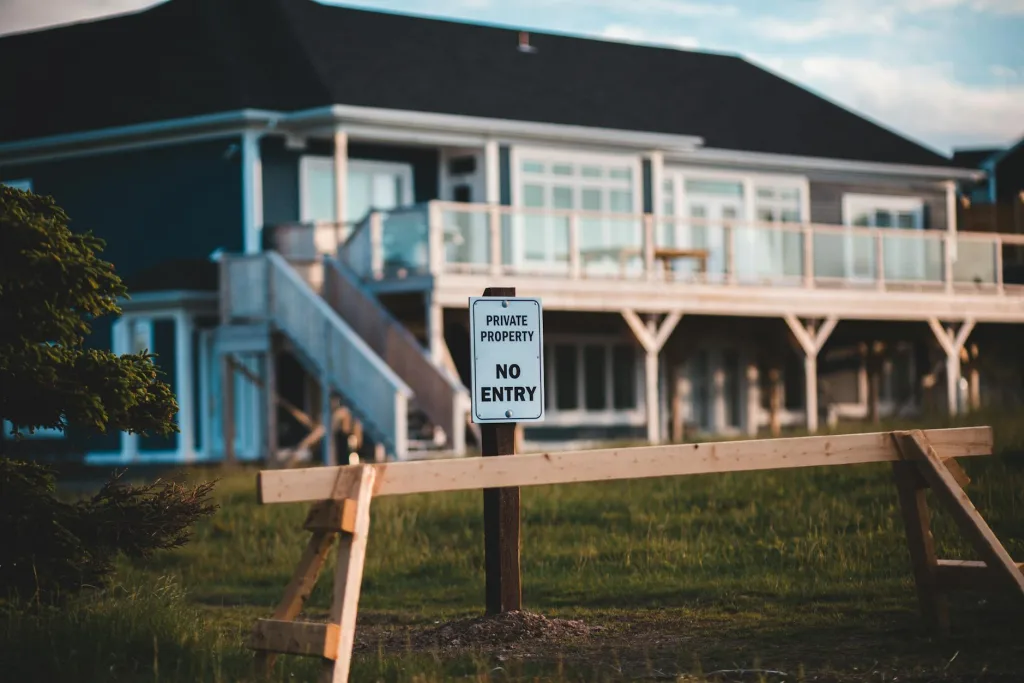
Imagine heading to your cottage for a weekend getaway, only to find a burst pipe has flooded the basement, causing thousands of dollars in damage. Now imagine your insurance company telling you the cl...
The Lifetimes Canada editorial team curates, fact-checks, and updates guides on personal finance, property, health, immigration, legal, business, and lifestyle topics relevant to Lifetimes Canada readers. Articles are produced with AI assistance and reviewed by the editorial team before publication.
Imagine heading to your cottage for a weekend getaway, only to find a burst pipe has flooded the basement, causing thousands of dollars in damage. Now imagine your insurance company telling you the claim is denied because the property was considered vacant. This scenario is far too common, and it’s one you can avoid with the right knowledge.
Vacant homes present unique risks to insurers. Without daily oversight, a small issue like a leaky pipe, an electrical fault, or a break-in can escalate into a major catastrophe. In 2026, Canadian insurers are tightening their rules around vacant property coverage. Understanding these rules is not just a good idea—it’s essential to protect one of your most valuable assets.
In this guide, we’ll walk you through exactly what constitutes a vacant home in Canada, the specific requirements insurers have, and the practical steps you can take to ensure your claim isn’t denied when you need it most.
What Exactly is a "Vacant" Home in Canada?
This is the most critical distinction to understand. In the insurance world, "vacant" and "unoccupied" are not the same thing, and confusing them is a common reason for claim denials [1].
- Unoccupied: The property is furnished and maintained, but no one is currently living there. Think of a snowbird’s primary residence for three months of winter, or a family on a six-week summer holiday. Your standard home insurance policy often covers this, usually with a condition that someone checks on the property every 48 to 72 hours.
- Vacant: The property is empty of people and most of your personal belongings. There is no one living there, and the home is not being used as a residence. This often applies to a home you’ve recently purchased but haven’t moved into yet, a property you’re renovating before moving in, or a home that’s been on the market for a long time after the previous owners moved out.
Once a property is classified as vacant, your standard homeowner’s policy will almost certainly not provide coverage. You will need a specific vacant home insurance policy to protect it.
Why Do Insurers Treat Vacant Homes Differently?
It all comes down to risk. A vacant home is statistically far more likely to suffer a claim than an occupied one. Here’s why:
- Undetected Water Damage: A slow leak from a frozen pipe or a faulty water heater can run for days or weeks before being noticed, causing catastrophic structural damage.
- Vandalism and Theft: An empty home is a prime target for thieves, vandals, and squatters. Without the deterrent of an occupant, the risk of break-ins skyrockets.
- Fire Hazards: Electrical faults, lightning strikes, or even arson can cause fires that go undetected for hours, leading to total loss.
- Lack of Maintenance: Minor issues like a clogged gutter or a cracked window can quickly escalate into major problems when no one is there to address them.
Because of these elevated risks, insurers require homeowners to take proactive steps to mitigate them. Failure to follow these rules is the number one reason vacant home claims are denied in Canada.
Key Rules You Must Follow in 2026 to Keep Your Coverage Valid
If you have a vacant home or are planning to leave one empty, you must adhere to your insurer’s specific conditions. While every policy is different, these are the most common requirements across Canadian insurers in 2026.
1. Notify Your Insurer Immediately
This is non-negotiable. You must inform your insurance company or broker the moment you know your property will be vacant. Do not wait until you’ve already left. Your current policy may have a clause that voids coverage after a property has been vacant for more than 30 days (sometimes as few as 15) [2].
When you notify them, they will either amend your existing policy or offer you a specific vacant home policy. This new policy will have higher premiums and stricter conditions, but it will provide the coverage you need.
2. Maintain Regular Property Inspections
Insurers almost always require that someone physically inspect the property on a regular basis. The most common requirement is an inspection every 48 to 72 hours. This inspection must be documented. The inspector should check for:
- Signs of water leaks or flooding.
- Burst or frozen pipes.
- Signs of forced entry, vandalism, or squatters.
- Proper functioning of heating and electrical systems.
- Snow and ice buildup on the roof.
Pro Tip: Don’t rely on a neighbour to "keep an eye out." Hire a professional property management company that provides a log of their visits. This creates a paper trail that is invaluable if you ever need to file a claim.
3. Shut Off the Water Main and Drain the Pipes
Frozen and burst pipes are the leading cause of winter claims in vacant Canadian homes. To mitigate this, most insurers will require you to shut off the main water supply and drain all pipes, toilets, and water heaters. This is a critical step, especially during the cold months from November to March.
4. Maintain Heating (or Winterize Completely)
If you choose to keep the water on, you must maintain the heat. The typical requirement is to keep the thermostat set to at least 13-15°C (55-60°F) to prevent pipes from freezing. If you are winterizing the property (draining pipes and shutting off water), you can usually turn the heat off or set it to a much lower temperature, but you must still ensure the property is protected from extreme cold.
5. Secure the Property
Your insurer expects the property to be as secure as possible. This means:
- All doors and windows are locked with deadbolts.
- Any valuable items are removed or stored securely.
- Outdoor furniture and garbage bins are secured to prevent them from being used as tools for break-ins.
- Mail and newspapers are stopped or collected regularly so the home doesn’t look abandoned.
6. Remove All Fire Hazards
This is a straightforward but important rule. You must disconnect all appliances from power sources (if possible). Remove any flammable materials, propane tanks, and ensure the electrical system is in good working order. Some insurers may also require you to disconnect the gas supply.
What Happens if You Don't Follow the Rules?
The consequences are severe. If a loss occurs while your home is vacant and you have not:
- Notified your insurer, or
- Obtained the correct policy, or
- Followed the policy’s specific conditions (e.g., regular inspections, water shut-off),
This means you are personally responsible for the full cost of repairs, temporary housing, and any other losses. In the case of a total loss, like a fire, you could be out hundreds of thousands of dollars. There is no government safety net for this in Canada; the onus is entirely on the homeowner.
How to Get Vacant Home Insurance in Canada
Getting the right coverage is straightforward if you plan ahead. Here are your options:
- Contact Your Current Insurer: Start with your existing home or auto insurance provider. They know your history and may offer a vacant home endorsement or a separate policy.
- Work with an Insurance Broker: Brokers have access to multiple insurers and can shop around for the best vacant home policy for your specific situation. This is often the best route for complex scenarios like long-term renovations or inherited properties.
- Specialty Insurers: Some insurers in Canada specialize in high-risk or vacant properties. They will have tailored policies with specific requirements.
Be prepared to answer detailed questions about the property’s condition, the duration of the vacancy, and the security measures you have in place. The more information you provide, the more accurate your quote will be.
Next Steps: Protect Your Investment Today
Leaving a home vacant is a risky situation, but it doesn’t have to be a financial disaster. The key is to be proactive, not reactive. Here’s your action plan:
- Call your insurer or broker today. Even if you haven’t left yet, start the conversation. Get clarity on your policy’s vacancy clause.
- If you are already vacant and uninsured, don’t panic. Contact a broker immediately. They can help you secure a policy retroactively in some cases, but you need to act fast.
- Set up a property management plan. Hire a professional to conduct the required inspections and document everything.
- Winterize or maintain heat. Decide which approach is best for your property and follow through.
- Secure the property. Lock everything up, remove valuables, and make the home look occupied.
By following these rules, you can rest easy knowing your vacant home is protected. Don’t let a preventable oversight turn a minor inconvenience into a major financial loss.
Frequently Asked Questions
Sources & References
-
1
Home Insurance Basics - Financial Consumer Agency of Canada — www.canada.ca
-
2
Home Insurance – Insurance Bureau of Canada — www.ibc.ca
Related Articles

Wood Stove and Fireplace Home Insurance Rules in Canada 2026
There's something undeniably special about the warmth and ambience of a wood stove or fireplace in a Canadian winter. However, that crackling fire comes with a set of insurance rules that many homeown...

Airbnb and Short-Term Rental Insurance in Canada 2026
Thinking about listing your home on Airbnb or Vrbo can be exciting, but it also raises an important question: does your standard home insurance policy cover short-term rentals? For most Canadians in 2...

Home-Based Business Insurance in Canada 2026: When Does Your Home Policy Stop Covering You?
Picture this: you’ve started a small side hustle from your home office—perhaps freelance graphic design, online tutoring, or selling handmade crafts on Etsy. You feel confident knowing your home insur...

How to Get the Best Home and Auto Insurance Bundle Discount in Canada 2026
If you’re a homeowner with a car, you’ve almost certainly seen the ads promising big savings if you bundle your home and auto insurance with the same provider. But is it really worth it? In 2026, with...