Overland Water and Flood Insurance in Canada 2026: What Exactly Is Covered?
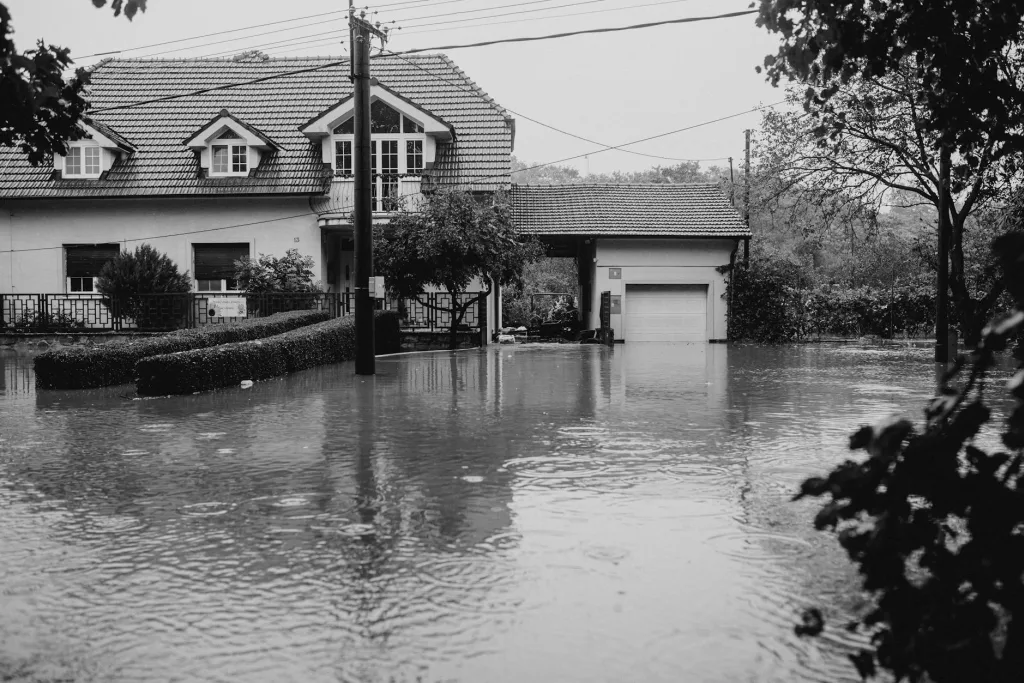
If you live in a region prone to heavy rainfall or spring thaws, you've likely watched the sky with a knot in your stomach. For years, many Canadian homeowners assumed their standard home insurance wo...
The Lifetimes Canada editorial team curates, fact-checks, and updates guides on personal finance, property, health, immigration, legal, business, and lifestyle topics relevant to Lifetimes Canada readers. Articles are produced with AI assistance and reviewed by the editorial team before publication.
If you live in a region prone to heavy rainfall or spring thaws, you've likely watched the sky with a knot in your stomach. For years, many Canadian homeowners assumed their standard home insurance would protect them if water seeped into their basement. That assumption has cost people dearly. The good news is that the insurance landscape has shifted dramatically, and as of 2026, overland water and flood insurance is more accessible—and more critical—than ever before. But what exactly does it cover, and is it right for you?
Let's break down the specifics so you can make an informed decision for your home and peace of mind.
What Is Overland Water and Flood Insurance?
In simple terms, overland water insurance covers damage caused by water that enters your home from the ground level or above—think rivers overflowing their banks, storm surges, or heavy rain pooling and seeping through doors, windows, or foundation cracks. This is different from sewer backup coverage, which only protects you when water backs up through drains and plumbing.
Historically, flood insurance was either unavailable or prohibitively expensive in Canada. That changed after the devastating floods in Alberta (2013) and Toronto (2013), which prompted insurers to rethink their risk models. Today, most major Canadian insurers offer some form of overland flood coverage as an add-on or included in a comprehensive policy [1].
The Two Main Types of Water Coverage
To avoid confusion, it helps to understand the distinction:
- Overland Water Coverage: Covers water entering from the surface—rain, melting snow, overflowing lakes or rivers.
- Sewer Backup Coverage: Covers water that backs up through internal plumbing, often due to overwhelmed municipal systems.
Many policies now bundle these together, but it's essential to read the fine print. Some insurers sell them separately, and you may need both to be fully protected.
What Exactly Is Covered in 2026?
The specifics vary by insurer and province, but here are the most common scenarios that overland water insurance covers:
- Heavy rainfall that pools around your foundation and seeps into the basement or main floor.
- River or lake flooding that rises above ground level and enters your home.
- Storm surges from coastal areas (relevant for parts of Atlantic Canada and British Columbia).
- Rapid snowmelt that causes water to accumulate and breach your home's defences.
Coverage typically includes the cost of repairing structural damage, removing water, drying out the property, and replacing damaged belongings like furniture, electronics, and flooring. Some policies also cover temporary living expenses if your home becomes uninhabitable during repairs.
What Is NOT Covered?
No insurance policy covers everything. Here are the most common exclusions:
- Groundwater seepage (water that rises from the soil into your basement through the floor or walls).
- Negligence (if you failed to maintain your property, like ignoring a leaky roof or clogged eavestroughs).
- Flooding from a broken water main on your property (that falls under your home's plumbing coverage).
- Damage to landscaping, sheds, or detached garages unless specifically added.
- Flooding in high-risk areas where insurers refuse to offer coverage (though this is becoming rarer).
It's also worth noting that overland water insurance does not cover flood damage caused by a tsunami or storm surge in coastal zones unless you purchase separate, specialized coverage.
How Much Does It Cost in 2026?
Premiums for overland water insurance vary widely based on your location, home construction, and flood risk. According to the Insurance Bureau of Canada, the average annual premium for overland flood coverage ranges from $100 to $500, but can be higher in high-risk zones [2].
In 2026, many insurers are using advanced flood risk mapping tools to set rates. If you live in a low-risk area (e.g., away from rivers, lakes, or floodplains), you may pay less. Conversely, homes in flood-prone regions like parts of the Fraser Valley (BC), the Red River Valley (Manitoba), or the Don River watershed (Ontario) may face higher premiums or even be denied coverage.
Some insurers also offer discounts if you install flood mitigation measures, such as backwater valves, sump pumps, or rain barrels.
Who Needs Overland Water Insurance?
The short answer: almost every Canadian homeowner. Even if you don't live near a major body of water, climate change is making extreme rainfall events more common across the country [3]. In 2024, flash flooding in Toronto caused over $1 billion in insured damage, much of it from overland water [4].
If you live in a basement apartment or a home with a finished basement, the risk is even higher. Water damage can ruin renovations, electronics, and sentimental items quickly.
Renters and Condo Owners
Renters should check their tenant insurance policies—some include limited overland water coverage, but it's not standard. Condo owners are typically covered by their strata's master policy for common areas, but you'll need your own insurance for your unit's contents and improvements.
How to Get Overland Water Insurance in Canada
Here's a step-by-step guide to securing this coverage in 2026:
- Contact your current insurer first. Many offer it as an add-on to your existing home policy. Ask about bundling with sewer backup for the best value.
- Shop around. Use comparison websites or work with an independent broker who can access multiple insurers. Rates and coverage terms vary significantly.
- Check your property's flood risk. The Government of Canada's Flood Hazard Mapping Program provides maps for many regions. Your insurer may also use private tools.
- Ask about exclusions and limits. Some policies cap coverage for basements or specific items like electronics. Know what you're getting.
- Consider mitigation measures. Installing a sump pump, backwater valve, or grading your property away from the foundation can lower your premium.
Final Thoughts: Is It Worth It?
Given the increasing frequency of extreme weather events in Canada, overland water insurance is no longer a luxury—it's a necessity for most homeowners. The cost of a single basement flood can easily exceed $30,000, while annual premiums are often under $500. For that price, you gain financial protection and peace of mind.
Start by reviewing your current home insurance policy. If it doesn't include overland water coverage, call your insurer or broker today. A few minutes of research could save you tens of thousands of dollars down the road.
Frequently Asked Questions
Sources & References
- 1
-
2
Government of Canada — Flood Hazard Mapping Program — www.canada.ca
-
3
Statistics Canada — Climate Change and Extreme Weather — www.statcan.gc.ca
-
4
Public Safety Canada — National Flood Insurance Program — www.canada.ca
-
5
Insurance Bureau of Canada — Claims Checklist — www.ibc.ca
Useful Tools
Related Articles

Wood Stove and Fireplace Home Insurance Rules in Canada 2026
There's something undeniably special about the warmth and ambience of a wood stove or fireplace in a Canadian winter. However, that crackling fire comes with a set of insurance rules that many homeown...

Airbnb and Short-Term Rental Insurance in Canada 2026
Thinking about listing your home on Airbnb or Vrbo can be exciting, but it also raises an important question: does your standard home insurance policy cover short-term rentals? For most Canadians in 2...

Home-Based Business Insurance in Canada 2026: When Does Your Home Policy Stop Covering You?
Picture this: you’ve started a small side hustle from your home office—perhaps freelance graphic design, online tutoring, or selling handmade crafts on Etsy. You feel confident knowing your home insur...

How to Get the Best Home and Auto Insurance Bundle Discount in Canada 2026
If you’re a homeowner with a car, you’ve almost certainly seen the ads promising big savings if you bundle your home and auto insurance with the same provider. But is it really worth it? In 2026, with...