Second Mortgages and Private Lenders in Canada 2026: Rates and Hidden Fees
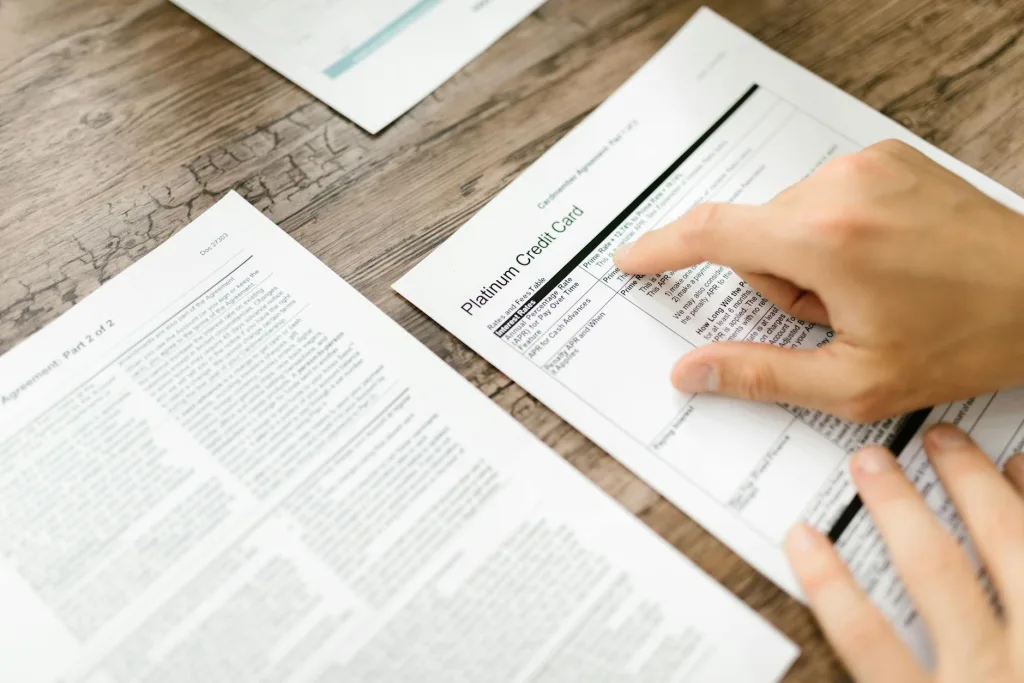
If you’re a Canadian homeowner who needs access to a significant amount of cash, a second mortgage might be on your radar. Whether it’s for a major home renovation, debt consolidation, or an unexpecte...
The Lifetimes Canada editorial team curates, fact-checks, and updates guides on personal finance, property, health, immigration, legal, business, and lifestyle topics relevant to Lifetimes Canada readers. Articles are produced with AI assistance and reviewed by the editorial team before publication.
When a Traditional Mortgage Won’t Work: Understanding Second Mortgages and Private Lenders
If you’re a Canadian homeowner who needs access to a significant amount of cash, a second mortgage might be on your radar. Whether it’s for a major home renovation, debt consolidation, or an unexpected expense, a second mortgage allows you to borrow against the equity you’ve built in your home without disturbing your existing first mortgage.
However, when your credit score isn’t perfect, or your income is hard to document, traditional banks like RBC, TD, or Scotiabank may turn you away. That’s where private lenders come in. In 2026, the landscape for second mortgages and private lending in Canada is evolving, with interest rates still elevated and new regulatory considerations in play.
In this guide, we’ll break down how second mortgages work, what private lenders offer, the true cost of hidden fees, and how to navigate this financing option safely.
What Is a Second Mortgage in Canada?
A second mortgage is exactly what it sounds like: a separate loan secured against your property that sits behind your first mortgage in priority. If you default, the first mortgage lender gets paid first from the sale of the home; the second mortgage lender is second in line. Because of this increased risk, second mortgages typically come with higher interest rates than first mortgages.
In Canada, you can generally borrow up to 80% of your home’s value combined between your first and second mortgage (known as your loan-to-value ratio, or LTV). For example, if your home is worth $600,000 and you owe $350,000 on your first mortgage, you have $130,000 in available equity (80% of $600,000 = $480,000 minus $350,000 = $130,000).
Common Uses for a Second Mortgage
- Home renovations — Adding value to your property
- Debt consolidation — Paying off high-interest credit cards and loans
- Major purchases — Buying a new vehicle or funding a wedding
- Investment property — Purchasing a rental or vacation property
- Emergency funds — Covering unexpected medical bills or job loss
Private Lenders vs. Traditional Banks in 2026
In 2026, Canada’s mortgage market remains tight. The Bank of Canada’s policy rate, while down from its 2023 peak, still sits at a level that makes borrowing expensive [1]. Traditional banks have tightened their lending criteria, making it harder for self-employed individuals, retirees, or those with bruised credit to qualify for a second mortgage.
Private lenders — which include mortgage investment corporations (MICs), private individuals, and alternative lending companies — fill this gap. They are not regulated by the Bank Act like traditional banks, which gives them more flexibility in underwriting. However, that flexibility comes at a cost.
Key Differences at a Glance
| Feature | Traditional Bank | Private Lender |
|---|---|---|
| Interest Rate (2026) | Prime + 1% to 3% (approx. 6%–8%) | 8% to 15%+ |
| Credit Score Requirement | Usually 650+ | Flexible (500+) |
| Income Verification | Strict (T4s, tax returns) | Often stated income or bank statements |
| Approval Time | 2–4 weeks | 3–7 days |
| Term Length | 1–5 years (renewable) | 6 months to 3 years |
| Regulation | Federally regulated | Provincially regulated (varies) |
Second Mortgage Rates in Canada 2026
As of early 2026, the Bank of Canada’s overnight rate sits at 4.25%, down from 5.00% in 2023 but still historically elevated [1]. This directly influences second mortgage rates. For a traditional bank second mortgage, you might expect a rate of prime (currently 6.45%) plus 1% to 3%, landing you around 7.45%–9.45% [2].
Private lenders, however, charge significantly more due to the higher risk they assume. In 2026, private second mortgage rates typically range from 8.99% to 14.99%, with some lenders charging as high as 18% for high-risk borrowers [3]. These rates are often quoted as “per annum” but calculated monthly, so the effective cost can be even higher.
Why Are Private Rates So High?
- Risk premium — Private lenders have no deposit insurance and face higher default risk
- Short terms — Most private mortgages are for 1–3 years, so lenders need to recoup costs quickly
- No government backing — Unlike CMHC-insured mortgages, private loans are uninsured
- Administrative costs — Private lenders often charge higher fees to cover legal and appraisal costs
Hidden Fees You Need to Watch For
When you’re desperate for cash, it’s easy to focus on the interest rate and overlook the fees. Private lenders are notorious for charging fees that can add thousands to your borrowing cost. Here are the most common ones:
1. Lender Fees (or “Origination Fees”)
Many private lenders charge a one-time fee of 1% to 3% of the loan amount. On a $100,000 second mortgage, that’s $1,000 to $3,000 upfront. Some lenders call this an “administration fee” or “underwriting fee.” Always ask for this in writing before you sign.
2. Broker Fees
Mortgage brokers who arrange private loans often charge a commission, which can be 1% to 2% of the loan amount. In some cases, this is paid by the lender, but in others, it’s passed on to you. Confirm who pays the broker before proceeding.
3. Appraisal Fees
Private lenders almost always require a professional appraisal to determine your home’s current market value. Expect to pay $300 to $600 for a standard appraisal, and more for complex properties.
4. Legal Fees
You’ll need a lawyer to register the second mortgage on title. Legal fees typically range from $800 to $2,000, depending on complexity. Some lenders require you to use their preferred lawyer, which may cost more.
5. Early Repayment Penalties
Private lenders often lock you into a short-term contract (e.g., 1 year) and charge a penalty if you pay off the loan early. This can be 3 months’ interest or a fixed percentage of the loan. Read the fine print carefully.
6. Discharge Fees
When you pay off the second mortgage, the lender must discharge their lien on your property. This fee is typically $200 to $500, but some lenders charge more.
Pro Tip: Always request a “total cost of borrowing” statement from the lender. This document, required under Canada’s Interest Act, must disclose all fees and the effective interest rate [4]. If a lender won’t provide this, walk away.
How to Qualify for a Private Second Mortgage
Private lenders care less about your credit score and more about your equity. Here’s what they typically look for:
- At least 20% equity in your home after the second mortgage
- Proof of income — Even if stated, they want to see you can make payments
- No recent bankruptcies — Some lenders accept borrowers discharged from bankruptcy for 2+ years
- Property in good condition — No major structural issues or fire hazards
If your credit score is below 600, you may still qualify, but expect a higher rate and larger fees. Some lenders specialize in “bad credit” second mortgages, but the cost can be exorbitant.
Risks You Must Consider
Second mortgages from private lenders are not without significant risk. Here are the key dangers:
1. Higher Monthly Payments
At 12% interest, a $100,000 second mortgage costs $1,000 per month in interest alone. If you’re already struggling with your first mortgage, this can push you into default.
2. Foreclosure Risk
If you miss payments, private lenders can start foreclosure proceedings faster than banks. Some private lenders are aggressive and may move to power of sale within 60 days of default.
3. Renewal Uncertainty
Private mortgages are short-term. When your term ends, you may not qualify for renewal at the same rate, or the lender may refuse to renew, leaving you scrambling.
4. Predatory Lending
Some private lenders charge exorbitant fees and rates that border on predatory. In Canada, provincial regulators (e.g., the Financial Services Regulatory Authority of Ontario) oversee private lending, but enforcement can be slow [5]. Always check if the lender is licensed in your province.
Alternatives to a Private Second Mortgage
Before signing on with a private lender, consider these alternatives:
- HELOC (Home Equity Line of Credit) — If you have good credit, a HELOC from a bank offers rates around prime + 0.5% to 1% (currently 6.95%–7.45%). You only pay interest on what you use.
- Refinance your first mortgage — If you have enough equity, refinancing your first mortgage to a higher amount can give you cash at a lower rate.
- Family loan — A private loan from a family member at a low or no interest rate.
- Credit union — Some credit unions offer second mortgages at rates lower than private lenders.
Final Thoughts: Proceed with Caution
Second mortgages and private lenders can be a lifeline when traditional financing isn’t available. In 2026, with interest rates still elevated and banks tightening their criteria, private lending is more common than ever. However, the high cost — both in rates and hidden fees — means you should only use this option as a short-term bridge, not a long-term solution.
Before signing anything, compare at least three private lenders, ask for a full breakdown of all fees, and consider consulting a licensed mortgage broker who specializes in alternative lending. And remember: if a deal sounds too good to be true, it probably is.
Your home is your most valuable asset. Protect it by making informed, cautious decisions.
Frequently Asked Questions
Sources & References
-
1
Bank of Canada — Key Interest Rate (2026) — www.bankofcanada.ca
-
2
Financial Consumer Agency of Canada — Current Mortgage Rates — www.canada.ca
-
3
Statistics Canada — Housing and Mortgage Data (2026) — www.statcan.gc.ca
-
4
Government of Canada — Interest Act (R.S.C., 1985, c. I-15) — laws-lois.justice.gc.ca
- 5
- 6
Related Articles

Pre-Approved Mortgages in Canada 2026: How Long Does the Rate Hold Last?
If you're planning to buy a home in Canada this year, getting pre-approved for a mortgage is one of the smartest first steps you can take. It tells you exactly how much you can borrow, locks in a rate...
Mortgage Refinance Rates in Canada 2026: When Is It Worth Breaking Your Term?
If you’re a Canadian homeowner with a fixed-rate mortgage, you might be watching today’s interest rates with a mix of hope and frustration. After a period of aggressive rate hikes by the Bank of Canad...

How to Get Approved for a Mortgage in Canada 2026 With Bad Credit
If your credit score has taken a hit, you might assume that homeownership is off the table. That's a natural reaction, but it's not the full picture. While a strong credit history certainly makes the...

The Canadian Mortgage Stress Test in 2026: How Much House Can You Actually Afford?
Imagine you're eyeing that perfect home in Toronto or Vancouver, crunching the numbers, only to discover the bank says you qualify for 20% less than expected. That's the reality of the Canadian Mortga...