Emergency Dentist in Canada: What to Do for a Knocked-Out Tooth
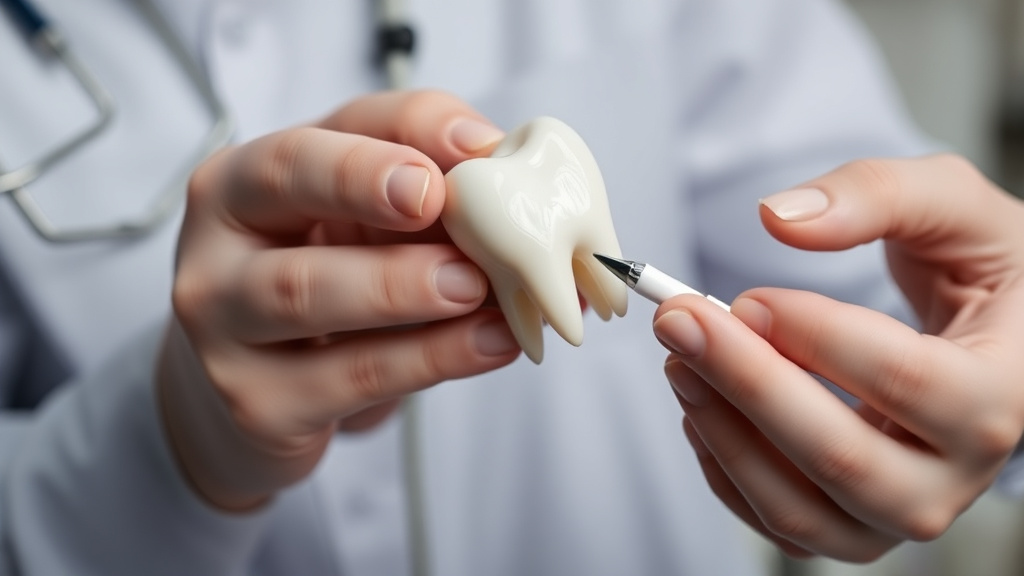
Imagine you're at a hockey game or playing with your kids when suddenly—a puck, a fall, or an unexpected collision knocks out one of your teeth. Panic sets in, but acting fast can make all the differe...
The Lifetimes Canada editorial team curates, fact-checks, and updates guides on personal finance, property, health, immigration, legal, business, and lifestyle topics relevant to Lifetimes Canada readers. Articles are produced with AI assistance and reviewed by the editorial team before publication.
Imagine you're at a hockey game or playing with your kids when suddenly—a puck, a fall, or an unexpected collision knocks out one of your teeth. Panic sets in, but acting fast can make all the difference in saving that tooth. In Canada, where dental emergencies strike without warning, knowing how to respond immediately and find an emergency dentist in Canada is crucial for minimising pain and preserving your smile.
This guide walks you through exactly what to do for a knocked-out tooth, from first-aid steps to accessing care across provinces like Ontario, where many clinics offer same-day service. We'll cover practical advice tailored for Canadians, including how to locate services near you and what to expect in 2026.
Understanding a Knocked-Out Tooth: Why Time Matters
A knocked-out tooth, also known as an avulsed tooth, happens when a tooth is completely displaced from its socket due to trauma—common in sports like hockey or everyday accidents. The key to success is speed: dentists report that reimplantation within 30 minutes offers the best chance of the tooth taking root again. After two hours, those odds drop significantly.
In Canada, dental trauma affects thousands annually, often from active lifestyles. Permanent teeth in adults or children can sometimes be saved if handled correctly before reaching an emergency dentist.
The Science Behind Saving Your Tooth
Teeth have a living root covered in periodontal ligaments that anchor them to the jawbone. When knocked out, these fibres start to dry out within minutes, making reattachment harder. Preserving moisture is vital, as dry storage kills the tooth's viability quickly.
Immediate First-Aid Steps for a Knocked-Out Tooth
Stay calm—rushing can worsen the injury. Follow these proven steps from Canadian dental clinics to boost reimplantation chances:
- Retrieve the tooth safely: Pick it up by the crown (chewing surface), not the root. Avoid scrubbing or removing any attached tissue.
- Rinse gently: Rinse under lukewarm water only—no soap or forceful cleaning.
- Reinsert if possible: Place the tooth back into the socket and have the person gently bite down on gauze or cloth to hold it. This is ideal for children or if you're stable.
- Keep it moist if reinsertion isn't feasible: Store in a cup of cold milk (its pH mimics saliva) or your mouth (between cheek and gum, if no swallowing risk). Avoid water alone, as it damages cells.
- Control bleeding and pain: Apply a cold compress to the cheek for swelling. Rinse with warm saltwater. Take ibuprofen for pain—skip aspirin if bleeding.
- Seek help now: Call an emergency dentist immediately. Time is your tooth's lifeline.
These steps, recommended by clinics in Toronto, Niagara Falls, and beyond, can preserve the tooth for up to two hours.
Finding an Emergency Dentist in Canada
Canada's dental care varies by province, with no universal public emergency coverage like hospitals, but many private clinics prioritise walk-ins and same-day appointments. In 2026, urban areas like Toronto, Ottawa, and Niagara Falls have robust options open evenings and weekends.
Key Clinics and Services Across Canada
- Toronto and GTA: Emergency Dental 365 offers 24/7 access from 6 a.m. to 10 p.m., with free parking and TTC access. Same-day for true emergencies. Kaplan Dental and Royal York Dental provide immediate care for avulsions.
- Niagara Falls: Falls Family Dental urges quick calls for knocked-out teeth, stressing milk storage.
- Ottawa: Villanova Dental Studio sees emergencies promptly, using CEREC for same-day fixes.
- St. Catharines: Girardi Dental handles trauma swiftly to save teeth.
- Other areas: Markham's Hunter Dental and Vaughan's Dufferin Vaughan Dental accept walk-ins, even weekends.
For rural Canadians, check the Canadian Dental Association's (CDA) locator at cda-adc.ca or call 811 for Health Connect referrals. Provinces like Ontario have dedicated emergency lines.
When to Go to a Hospital
If swelling blocks airways, severe head injury accompanies the dental trauma, or no dentist is available, head to the nearest ER. Hospitals stabilise but refer dental work to specialists.
What Happens at the Emergency Dentist
Upon arrival, expect:
- Assessment: X-rays to check root and bone damage.
- Replantation attempt: If viable, the dentist cleans, repositions, and splints the tooth for 1-2 weeks.
- Pain relief: Local anaesthetic, antibiotics if infected.
- Alternatives: If unsalvageable, options like bonding, bridges, or implants restore function. Bonding fixes chips in 30-60 minutes; bridges prevent bite issues.
Follow-up visits ensure healing. Most clinics provide insurance forms for reimbursement—carry your plan details.
Costs and Insurance in Canada (2026)
Dental emergencies aren't covered by provincial health plans like OHIP, but private insurance via work or personal plans often reimburses 50-80%. Expect $500-$2,000 for reimplantation, more for implants. Uninsured? Many clinics offer payment plans. Check CDAP (Canadian Dental Care Plan) eligibility via Service Canada if low-income—expanding in 2026 for emergencies.
Prevention Tips for Canadians
Avoid dental disasters with these habits:
- Wear mouthguards for hockey, skiing, or biking—mandatory in minor leagues.
- Store sports gear safely; supervise kids' play.
- Regular check-ups spot weak teeth early.
- Limit contact sports if you have braces or prior trauma.
Next Steps: Act Now to Protect Your Smile
If you've just knocked out a tooth, grab that milk and call your nearest emergency dentist—every minute counts. Save this guide in your phone for peace of mind. Regular dental visits and protective gear keep emergencies at bay. Your smile is worth it—prioritise it today.
Frequently Asked Questions
Sources & References
-
1
Emergency Dental 365: 24/7 Emergency Dental Services — emergency-dental-365.com
-
2
Emergency Dental Services Toronto - Annex Dentistry — annexdentistry.ca
-
3
Emergency Dental Services | Niagara Falls Dentist — www.fallsfamilydental.ca
-
4
Emergency Dental Services in Toronto — www.kaplandental.ca
-
5
Emergency Dentistry - Ottawa - Villanova Dental Studio — villanovadental.com
-
6
Dental Emergency Services: Home — dentalemergencyservices.ca
-
7
Emergency Dentist Near You in Catharines | Girardi Dental — girardidental.ca
-
8
Emergency Dental Services in Etobicoke | Royal York Dental Clinic — www.royalyorkdental.ca
-
9
Emergency Dental Services in Markham | Hunter Dental Clinic — www.hunterdental.net
-
10
Emergency Dentistry | Family and Cosmetic Dentist — dufferinvaughandental.ca
Related Articles

Invisalign vs Traditional Braces Cost in Canada 2026
Few decisions in life are as visible as the one you make about your smile. If you’re considering straightening your teeth in 2026, you’ve likely hit the central question: Invisalign vs traditional bra...
Cost of Dentures in Canada 2026: Snap-In vs Traditional
If you’re researching tooth replacement options in Canada, you’ve likely noticed one thing first: the price tags vary wildly. Whether you’re looking at a simple partial denture or a full set of snap-i...

Cost of ClearCorrect vs Invisalign in Canada 2026
If you’re considering straightening your teeth without the metal brackets and wires of traditional braces, you’ve likely come across two major names: Invisalign and ClearCorrect. Both are popular clea...
Root Canal and Crown Cost in Canada 2026
Facing a root canal and crown procedure can feel daunting, especially when you start thinking about the cost. If you're a Canadian, you know that dental care isn't covered by our public health system,...