Cost of Dentures in Canada 2026: Snap-In vs Traditional
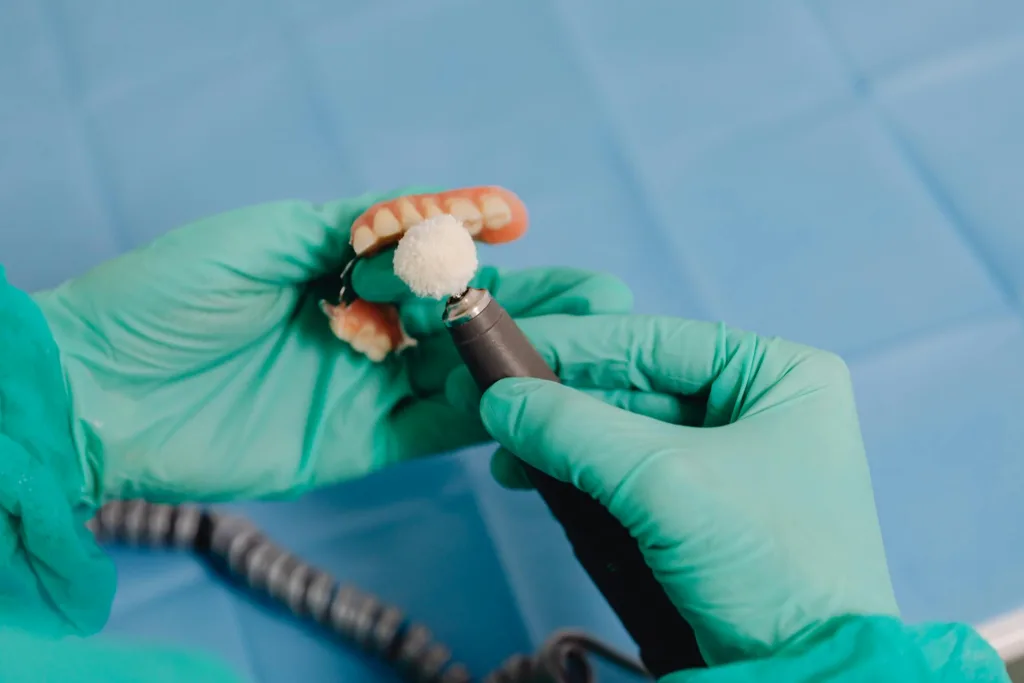
If you’re researching tooth replacement options in Canada, you’ve likely noticed one thing first: the price tags vary wildly. Whether you’re looking at a simple partial denture or a full set of snap-i...
The Lifetimes Canada editorial team curates, fact-checks, and updates guides on personal finance, property, health, immigration, legal, business, and lifestyle topics relevant to Lifetimes Canada readers. Articles are produced with AI assistance and reviewed by the editorial team before publication.
Understanding the True Cost of Dentures in Canada: Snap-In vs Traditional (2026)
If you’re researching tooth replacement options in Canada, you’ve likely noticed one thing first: the price tags vary wildly. Whether you’re looking at a simple partial denture or a full set of snap-in implants, the cost of dentures in Canada in 2026 can range from a few hundred dollars to well over $20,000. This isn’t just about aesthetics — it’s about function, comfort, and long-term oral health.
We’ll break down the real costs, what affects them, and how to decide between traditional dentures and snap-in (implant-supported) dentures. Plus, we’ll cover what your provincial health plan might cover and how to make the most of your dental benefits.
What Are the Main Types of Dentures in Canada?
Before we get into the numbers, it helps to understand the two broad categories. Each has a different price point, lifespan, and level of comfort.
Traditional Dentures
These are removable appliances that rest on your gums. They come in two forms:
- Complete (full) dentures — replace all teeth on the upper or lower arch.
- Partial dentures — replace a few missing teeth and clip onto remaining natural teeth.
Traditional dentures are the most affordable upfront option, but they can shift, cause sore spots, and often require relining or replacement over time.
Snap-In Dentures (Implant-Supported Overdentures)
These are a hybrid solution. A traditional-looking denture snaps onto two or more dental implants that are surgically placed into your jawbone. The implants provide stability, so the denture doesn’t move around. This option is significantly more expensive but offers far better function and comfort.
Cost of Dentures in Canada 2026: Snap-In vs Traditional — The Numbers
Prices vary by province, city, and individual dental clinic. However, we can give you a reliable range based on current Canadian dental fee guides and industry averages for 2026.
| Type of Denture | Typical Cost Range (per arch) |
|---|---|
| Complete traditional denture (full set) | $1,500 – $4,000 |
| Partial traditional denture | $800 – $2,500 |
| Immediate denture (placed right after extractions) | $1,800 – $4,500 |
| Snap-in denture (2 implants) | $8,000 – $15,000 |
| Snap-in denture (4 implants) | $15,000 – $25,000+ |
Note: These figures are per arch (upper or lower). A full mouth restoration (both arches) with snap-in dentures can easily exceed $30,000 in major Canadian cities like Toronto or Vancouver [1].
What’s Included in the Cost?
When you’re quoted a price for a denture, it typically covers:
- Initial consultation and impressions
- Wax try-in and adjustments
- Final fabrication and delivery
- Follow-up adjustments (usually within the first year)
For snap-in dentures, the quoted price should also include the surgical placement of the implants, the abutments (connectors), and the overdenture itself. However, always ask for a detailed breakdown — some clinics charge separately for the surgery and the prosthetic.
Why Snap-In Dentures Cost So Much More
The price jump isn’t arbitrary. Here’s where your money goes with snap-in dentures:
- Surgical fees — Implant placement is a minor surgical procedure performed by a dentist or oral surgeon.
- Implant materials — Each implant is a titanium or zirconia post that fuses with your bone. Quality brands like Straumann or Nobel Biocare cost more.
- Laboratory work — The overdenture itself is custom-made and often has special attachments (locators or bars) that click onto the implants.
- Diagnostic imaging — You’ll likely need a CBCT (3D X-ray) to plan implant placement, which can cost $300–$600.
- Bone grafting — If your jawbone has shrunk (common after tooth loss), you may need a bone graft before implants can be placed. This can add $1,000–$3,000 per site.
Does Canadian Dental Insurance Cover Dentures?
It depends on your plan. Here’s what to expect in 2026:
Private Insurance
Most employer-sponsored dental plans in Canada cover a portion of denture costs. Traditional dentures are often covered at 50%–80% up to an annual maximum (typically $1,500–$3,000 per year). Snap-in dentures are sometimes covered, but the implant portion may be capped at a lower amount or have a separate lifetime maximum [2].
Provincial Health Plans
Provincial health insurance (like OHIP in Ontario, MSP in BC, or RAMQ in Quebec) generally does not cover dentures for adults. Exceptions exist for specific groups:
- Ontario — OHIP+ covers dentures for children and youth under 25. Seniors on social assistance may qualify through the Ontario Seniors Dental Care Program [3].
- British Columbia — MSP does not cover dentures. The Healthy Kids Program covers basic dental for children.
- Quebec — RAMQ covers some denture costs for children and adults on social assistance.
- Alberta — The Alberta Adult Health Benefit covers dentures for low-income seniors and those on social assistance [4].
If you’re a senior or have low income, check with your provincial health ministry for specific programs.
Canadian Dental Care Plan (CDCP)
As of 2026, the federal Canadian Dental Care Plan is rolling out. This plan is designed for uninsured Canadian residents with an adjusted family net income under $90,000. It covers a range of dental services, including dentures, with no co-pay for those under $70,000 and a co-pay for those between $70,000–$89,999 [5]. Check canada.ca/dental for the latest eligibility details.
Cost Comparison Over Time: Which Is Better Value?
Upfront cost isn’t the whole story. Let’s look at the long-term value.
Traditional Dentures
- Lifespan: 5–10 years before needing replacement
- Relining: Needed every 2–3 years ($300–$600 per reline)
- Replacements: Every 5–10 years (cost of a new denture)
- Comfort: Can be loose, cause sore spots, and limit chewing ability
Snap-In Dentures
- Lifespan: Implants can last 20+ years; the overdenture may need replacement every 8–12 years
- Maintenance: Implants need regular professional cleaning; attachments may need replacement ($100–$300 every few years)
- Comfort: Much more stable — you can eat most foods without worry
- Bone preservation: Implants stimulate the jawbone, preventing the bone loss that happens with traditional dentures
Over 20 years, a traditional denture might cost you $5,000–$12,000 in replacements and relines. A snap-in denture might cost $12,000–$25,000 upfront, but with far fewer ongoing costs and better quality of life. For many Canadians, the higher initial investment pays off in comfort and function.
How to Save on Denture Costs in Canada
Here are practical ways to reduce your out-of-pocket expenses:
- Use a dental school — Universities like the University of Toronto, UBC, or Dalhousie offer denture services at reduced rates (often 30–50% less) performed by supervised students [6].
- Compare fee guides — Each provincial dental association publishes a suggested fee guide. Some clinics charge above the guide; others stick to it. Ask for a written estimate.
- Consider a denturist — Denturists are regulated professionals who specialize in dentures. They often charge less than general dentists for the same appliance.
- Check your tax deductions — Denture costs are eligible medical expenses on your Canadian tax return. You can claim the portion that exceeds 3% of your net income (for 2026) [7].
- Spread the cost — Many clinics offer payment plans or partner with third-party financing companies like Medicard or Dental Choice.
Frequently Asked Questions
Next Steps: Making Your Decision
Choosing between traditional and snap-in dentures is a personal decision that balances budget, health, and lifestyle. Here’s a quick guide:
Choose traditional dentures if — you have a tight budget, you have good bone support, and you’re willing to accept some limitations in comfort and chewing ability.
Choose snap-in dentures if — you can afford the higher upfront cost, you want the most stable and natural-feeling option, and you want to preserve your jawbone long-term.
Whichever path you take, start by getting a consultation with a dentist or denturist who can assess your specific needs. Ask for a written treatment plan with all costs itemized. And remember — investing in your oral health is investing in your overall health and quality of life.
Sources & References
Canadian Dental Association — Dentures FAQ — cda-adc.ca
Financial Consumer Agency of Canada — Dental Insurance Information — canada.ca
Ontario Seniors Dental Care Program — ontario.ca
Alberta Adult Health Benefit — alberta.ca
Canadian Dental Care Plan (CDCP) — Official Site — canada.ca
University of Toronto Faculty of Dentistry — Affordable Care — utoronto.ca
Canada Revenue Agency — Medical Expenses (Line 33099) — canada.ca
Related Articles

Invisalign vs Traditional Braces Cost in Canada 2026
Few decisions in life are as visible as the one you make about your smile. If you’re considering straightening your teeth in 2026, you’ve likely hit the central question: Invisalign vs traditional bra...

Cost of ClearCorrect vs Invisalign in Canada 2026
If you’re considering straightening your teeth without the metal brackets and wires of traditional braces, you’ve likely come across two major names: Invisalign and ClearCorrect. Both are popular clea...
Root Canal and Crown Cost in Canada 2026
Facing a root canal and crown procedure can feel daunting, especially when you start thinking about the cost. If you're a Canadian, you know that dental care isn't covered by our public health system,...
Emergency Dentist in Canada: What to Do for a Knocked-Out Tooth
Imagine you're at a hockey game or playing with your kids when suddenly—a puck, a fall, or an unexpected collision knocks out one of your teeth. Panic sets in, but acting fast can make all the differe...