Best Massage Therapy Schools in Canada 2026: RMT Certification
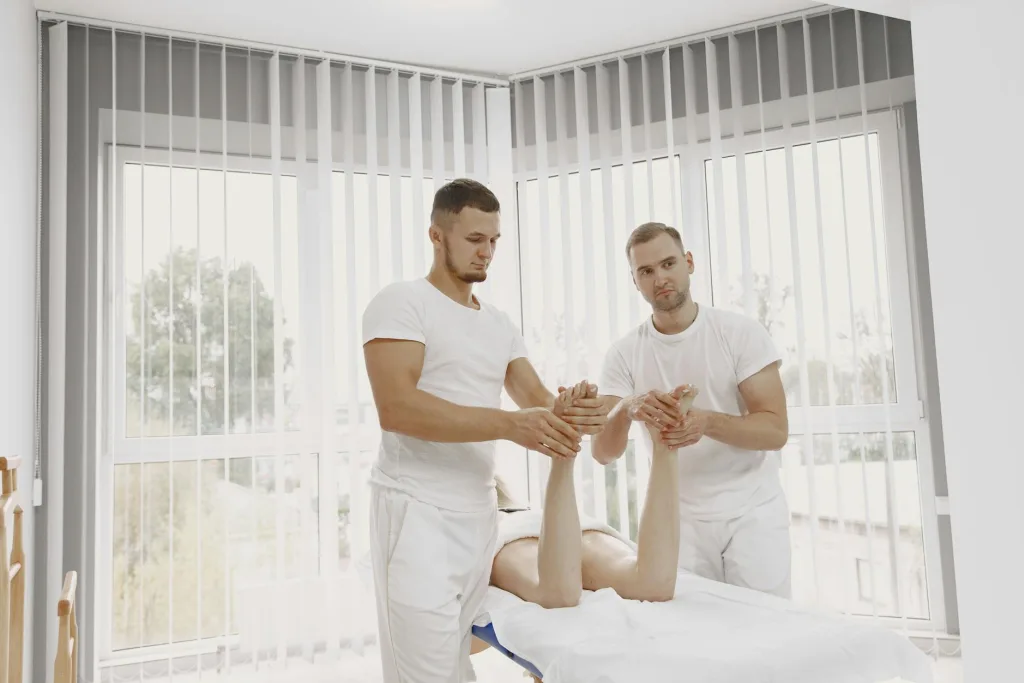
Thinking about a career in massage therapy? It's a rewarding path that offers flexibility, the chance to help others, and strong job prospects across Canada. But the first big step is choosing the rig...
The Lifetimes Canada editorial team curates, fact-checks, and updates guides on personal finance, property, health, immigration, legal, business, and lifestyle topics relevant to Lifetimes Canada readers. Articles are produced with AI assistance and reviewed by the editorial team before publication.
Thinking about a career in massage therapy? It's a rewarding path that offers flexibility, the chance to help others, and strong job prospects across Canada. But the first big step is choosing the right school. With so many options, finding the best massage therapy schools in Canada 2026: RMT certification programs can feel overwhelming. We're here to break it down for you, covering what to look for, which schools stand out, and how to navigate the journey to becoming a Registered Massage Therapist (RMT).
Why Massage Therapy? A Growing Career in Canada
Massage therapy is more than a luxury; it's a respected healthcare profession. According to Statistics Canada, the demand for massage therapists is projected to grow steadily, driven by an aging population and a greater focus on preventative health and wellness [1]. As Canadians, we're increasingly turning to RMTs for everything from chronic pain management to stress relief and sports injury rehabilitation.
Becoming an RMT offers several advantages:
- Strong Earning Potential: RMTs in Canada can earn a comfortable income, with many working in clinics, spas, or running their own private practice.
- Flexible Work: You can choose your hours, your work setting (clinic, mobile, home-based), and your clientele.
- High Demand: There's a consistent need for qualified RMTs across the country, particularly in urban centres and underserved rural areas [2].
- Helping Others: You get to make a tangible difference in people's lives by reducing pain and improving their quality of life.
What to Look for in a Top Massage Therapy School in 2026
Not all massage therapy programs are created equal. To ensure you're getting the best education and are prepared for RMT certification, here are the key factors to consider when evaluating schools:
1. Accreditation and Recognition
This is non-negotiable. Your school must be recognized by the regulatory body in the province where you plan to practice. In Ontario, that's the College of Massage Therapists of Ontario (CMTO). In British Columbia, it's the College of Massage Therapists of British Columbia (CMTBC). Each province has its own standards. A reputable school will be transparent about its accreditation status.
2. Comprehensive Curriculum
Look for a curriculum that covers both theory and hands-on practice. A solid program will include:
- Anatomy, Physiology, and Pathology: Deep understanding of the human body.
- Assessment and Treatment Techniques: From Swedish and deep tissue to myofascial release and joint mobilisation.
- Clinical Practice: Supervised hands-on experience with real clients in a student clinic.
- Professional Ethics and Business Skills: How to run a practice, manage insurance billing, and communicate with clients and other healthcare providers.
- Hydrotherapy and Remedial Exercise: Many top programs integrate these modalities.
3. Faculty Expertise
Who will be teaching you? Look for instructors who are experienced, practising RMTs themselves. They bring real-world knowledge and mentorship to the classroom. Check the school's website for faculty bios.
4. Clinical Hours and Facilities
Hands-on practice is where you truly learn. The best schools offer a well-equipped student clinic where you can treat a diverse range of clients under supervision. Ensure the program provides sufficient clinical hours to meet your provincial registration requirements.
5. Graduate Success Rates
Ask about the school's pass rate on the provincial registration exams and the percentage of graduates who find work as RMTs within a year of graduation. This is a strong indicator of program quality.
6. Location and Format
Consider whether you prefer an in-person program, a hybrid model, or a fully online option (though most RMT programs require significant in-person clinical hours). Think about your commute, cost of living, and whether you want to study in a bustling city like Toronto or Vancouver, or a smaller community.
Top Massage Therapy Schools in Canada for 2026
Based on reputation, curriculum, accreditation, and graduate outcomes, here are some of the leading schools to consider. This is not an exhaustive list, but a starting point for your research.
Ontario
- Centennial College (Toronto): Offers a well-regarded 2-year Massage Therapy diploma. Known for its strong clinical placement and focus on evidence-based practice. Approved by the CMTO.
- Humber College (Toronto): Another excellent public college option. Their program is comprehensive, with a strong emphasis on anatomy and hands-on skills. Approved by the CMTO.
- Canadian College of Massage & Hydrotherapy (CCMH - Multiple locations): A private college with a long-standing reputation. They offer a rigorous program that prepares students well for the CMTO exams. Accredited by the CMTO.
- Mohawk College (Hamilton): Known for its practical, hands-on approach and strong community connections. Approved by the CMTO.
British Columbia
- Vancouver College of Massage Therapy (VCMT): A highly respected private institution with a 2,200-hour program that meets CMTBC standards. Known for its rigorous academic and clinical training.
- West Coast College of Massage Therapy (Multiple locations): Offers a comprehensive program focused on clinical excellence and professional readiness. Accredited by the CMTBC.
- Langara College (Vancouver): A public college offering a 2-year Massage Therapy diploma. Their program is well-structured and integrates theory with practice. Approved by the CMTBC.
Alberta
- Mount Royal University (Calgary): Offers a Bachelor of Health and Physical Education with a major in Athletic Therapy, which is a different path but closely related. For massage therapy, consider MacEwan University (Edmonton) which offers a Massage Therapy diploma.
- Alberta College of Massage Therapy (ACMT - Multiple locations): A private college that offers a diploma program recognized by the Natural Health Practitioners of Canada (NHPC) and often meets the requirements for insurance coverage in Alberta.
Other Provinces
- Nova Scotia Community College (NSCC): Offers a 2-year Massage Therapy diploma that meets the standards of the Massage Therapists' Association of Nova Scotia (MTANS).
- Manitoba Institute of Trades and Technology (MITT): Offers a 2-year Massage Therapy diploma recognized by the Massage Therapy Association of Manitoba (MTAM).
- College of the Rockies (Cranbrook, BC): A smaller public college offering a solid program with a focus on rural and remote practice.
How to Become an RMT in Canada: The Certification Path
The path to becoming an RMT varies by province, but the general steps are similar:
- Graduate from an Accredited Program: Complete a diploma or degree from a recognized school (usually 18-24 months).
- Pass the Provincial Registration Exam: Most provinces require you to pass a rigorous exam, often administered by the College of Massage Therapists of Ontario (CMTO) or a similar body.
- Complete Clinical Internship/Externship: Some provinces require a period of supervised practice before full registration.
- Apply for Registration: Submit your credentials to the provincial regulatory college (e.g., CMTO, CMTBC).
- Maintain Your Registration: RMTs must complete continuing education credits (CECs) each year to keep their license active.
Financial Considerations: Tuition and Funding
Tuition for massage therapy programs can range from $10,000 to $30,000+ for a 2-year diploma, depending on the school (public vs. private) and province. Public colleges are generally more affordable. Many students use:
- Student Loans: Both federal (Canada Student Loans) and provincial loans are available for accredited programs.
- Canada Training Benefit: A refundable tax credit for eligible Canadians [3].
- Employer Sponsorship: Some clinics may sponsor your education in exchange for a work commitment after graduation.
- Personal Savings or Line of Credit.
Pro Tip: Contact the financial aid office at the schools you're interested in. They can provide details on bursaries, scholarships, and payment plans specific to their institution.
Your Next Steps: From Research to RMT
Choosing the best massage therapy schools in Canada 2026: RMT certification program is a big decision, but you don't have to make it alone. Start your journey today:
- Research 3-5 Schools: Visit their websites, read their curriculum, and check their accreditation status.
- Attend an Open House: Most schools offer information sessions or open houses. This is your chance to tour the facilities, meet instructors, and ask questions.
- Talk to Current Students and Alumni: Reach out on social media or through the school's alumni network. Ask about their experience and career outcomes.
- Apply Early: Many programs have limited seats and competitive admissions. Apply as early as possible to secure your spot.
- Plan Your Finances: Apply for student loans, scholarships, and bursaries well in advance.
Becoming an RMT is a challenging but incredibly rewarding journey. With the right education and dedication, you can build a successful career helping Canadians live healthier, pain-free lives. Good luck!
Frequently Asked Questions
Sources & References
-
1
Job Bank Canada - Massage Therapists: Employment Outlook — www.jobbank.gc.ca
-
2
Statistics Canada - Health care occupations: Demand and supply — www150.statcan.gc.ca
-
3
Canada.ca - Canada Training Benefit — www.canada.ca
-
4
College of Massage Therapists of Ontario (CMTO) — www.cmto.com
-
5
College of Massage Therapists of British Columbia (CMTBC) — www.cmtbc.ca
Related Articles

Pharmacy Technician Programs in Canada 2026: College Guide
Canada's healthcare system is evolving, and the role of pharmacy technicians has never been more critical. With an aging population and a growing emphasis on team-based care, pharmacies across the cou...
Accelerated Nursing Programs in Canada 2026: Second Degree BSN
If you already hold a bachelor's degree in another field but feel called to nursing, you are not alone. Many Canadians are discovering that a second degree in nursing—often called an accelerated nursi...
How to Become a Paramedic in Canada 2026: College Programs and Fitness Tests
If you've ever watched a paramedic team stabilise someone after a car accident or respond to a cardiac arrest, you know the job demands more than just a cool head. It requires a specific blend of medi...

Nutritionist vs Dietitian in Canada 2026: Education and Legal Differences
If you're thinking about seeing a nutrition professional in Canada, you might wonder whether to book an appointment with a dietitian or nutritionist. While these titles might sound interchangeable, th...