Pharmacy Technician Programs in Canada 2026: College Guide
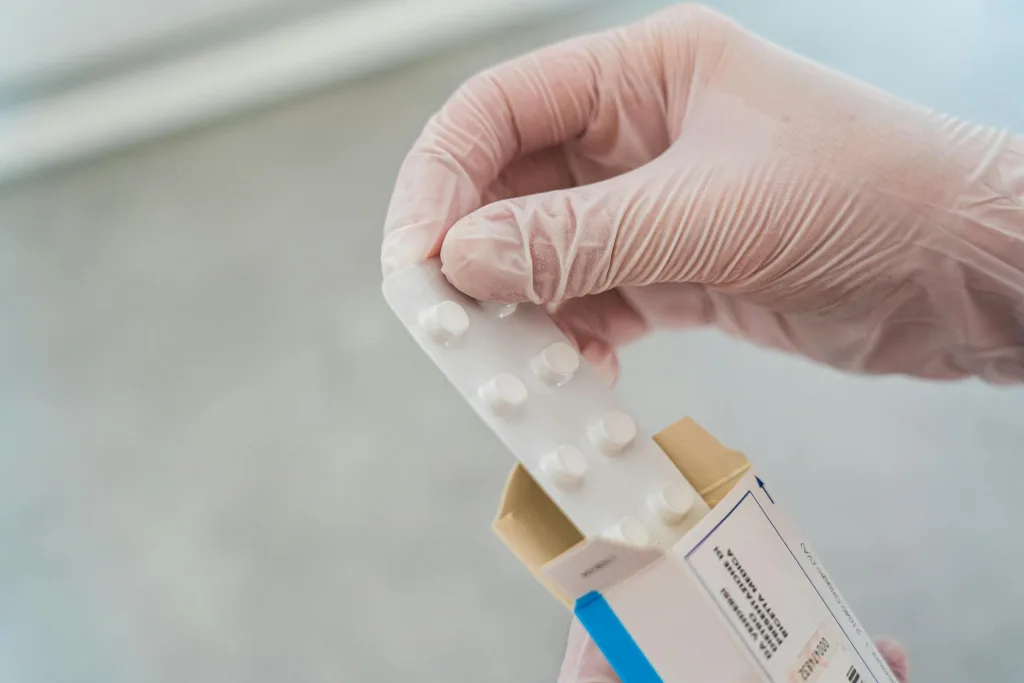
Canada's healthcare system is evolving, and the role of pharmacy technicians has never been more critical. With an aging population and a growing emphasis on team-based care, pharmacies across the cou...
The Lifetimes Canada editorial team curates, fact-checks, and updates guides on personal finance, property, health, immigration, legal, business, and lifestyle topics relevant to Lifetimes Canada readers. Articles are produced with AI assistance and reviewed by the editorial team before publication.
Why Pharmacy Technician Training Matters More Than Ever in 2026
Canada's healthcare system is evolving, and the role of pharmacy technicians has never been more critical. With an aging population and a growing emphasis on team-based care, pharmacies across the country are relying on skilled technicians to manage dispensing, inventory, and patient interactions. If you're looking for a stable, rewarding career in healthcare that doesn't require a university degree, pharmacy technician programs in Canada offer a direct path to professional certification and employment. This guide will walk you through everything you need to know about training, accreditation, costs, and career prospects in 2026.
What Does a Pharmacy Technician Do in Canada?
Pharmacy technicians work under the supervision of licensed pharmacists to ensure patients receive the correct medications. Their responsibilities have expanded significantly in recent years, particularly in provinces like Ontario and British Columbia, where regulatory changes have formalised their scope of practice. According to the National Association of Pharmacy Regulatory Authorities (NAPRA), pharmacy technicians in Canada are now authorised to perform tasks such as [1]:
- Receiving and verifying prescriptions
- Preparing and labelling medications
- Managing inventory and ordering supplies
- Providing information to patients about their prescriptions
- Compounding sterile and non-sterile products
Importantly, pharmacy technicians do not provide clinical assessments or counselling on medication therapy — those duties remain with the pharmacist. However, their technical expertise frees pharmacists to focus on patient care, making them indispensable in busy community and hospital pharmacies.
Accreditation Standards for Pharmacy Technician Programs in Canada
To practise as a pharmacy technician in Canada, you must graduate from an accredited program and pass the Pharmacy Examining Board of Canada (PEBC) qualifying exam. The Canadian Council for Accreditation of Pharmacy Programs (CCAPP) is the national body that accredits pharmacy technician programs. As of 2026, CCAPP-accredited programs are available at colleges and technical institutes across most provinces [2].
Key Accreditation Requirements
- Program length: Most diploma programs take 2 years (4 semesters) of full-time study.
- Clinical placement: Students must complete a minimum of 400–600 hours of supervised practical experience in community or hospital settings.
- Curriculum: Courses cover pharmacology, pharmacy law and ethics, compounding, sterile preparation, inventory management, and communication skills.
- Graduate outcomes: Programs must demonstrate that at least 80% of graduates pass the PEBC exam within two years of graduation.
Always verify that a program is CCAPP-accredited before applying. Graduating from a non-accredited program means you cannot write the PEBC exam or register as a pharmacy technician in Canada.
How to Choose the Right Pharmacy Technician Program in 2026
With dozens of colleges offering pharmacy technician programs, choosing the right one can feel overwhelming. Here are the factors to consider when comparing options:
Location and Delivery Mode
Most programs are offered on-campus because of the hands-on lab and placement requirements. However, several colleges now offer hybrid models with online theory and in-person labs. For example, the Northern Alberta Institute of Technology (NAIT) in Edmonton and the British Columbia Institute of Technology (BCIT) in Burnaby both offer blended delivery options [3]. If you live in a rural or remote area, check whether the college provides placement support near your home.
Program Cost and Financial Aid
Tuition for pharmacy technician programs varies by province and institution. As of 2026, expect to pay between $4,000 and $12,000 per year for domestic students. International students pay significantly more — often $15,000 to $25,000 per year. You may be eligible for:
- Canada Student Loans and Grants through your province or territory
- Employer-sponsored training if you already work in a pharmacy
- Scholarships from the Canadian Pharmacists Association (CPhA) or local pharmacy boards
Graduate Employment Rates
Ask prospective colleges for their graduate employment rates within six months of graduation. Reputable programs typically report rates above 85%. The demand for pharmacy technicians remains strong across Canada, with the Government of Canada's Job Bank projecting good employment prospects through 2028 [4].
Step-by-Step Path to Becoming a Pharmacy Technician in Canada
The process to become a registered pharmacy technician is straightforward but requires careful planning. Here is the typical timeline:
- Complete secondary school: You need a high school diploma or equivalent. Recommended courses include biology, chemistry, and mathematics.
- Enrol in a CCAPP-accredited program: Apply to a college offering a pharmacy technician diploma. Admission requirements vary but generally include Grade 12 English, math, and a science course.
- Complete the program (2 years): Attend classes, labs, and clinical placements. Maintain a minimum grade point average to remain in good standing.
- Pass the PEBC Qualifying Exam: After graduation, you must pass the Pharmacy Technician Qualifying Examination, which includes both a multiple-choice component and an objective structured clinical examination (OSCE) [5].
- Register with your provincial regulatory body: Each province has its own college or board (e.g., the Ontario College of Pharmacists, the College of Pharmacists of British Columbia). Submit your credentials, pay the registration fee, and undergo a criminal record check.
- Maintain your licence: Renew your registration annually and complete continuing education requirements set by your province.
Pharmacy Technician Programs by Province: A Quick Overview
While the core curriculum is standardised through CCAPP accreditation, specific programs vary by province. Here are some well-regarded options as of 2026:
Ontario
- Seneca Polytechnic (Toronto): Offers a 2-year diploma with a focus on hospital pharmacy practice. Includes a 6-week community placement and a 6-week hospital placement.
- Humber College (Toronto): Known for its state-of-the-art simulation lab and strong industry connections. Graduates often work at major hospital networks.
- Algonquin College (Ottawa): Provides a blended delivery model with online theory and in-person labs. Offers a bridging program for internationally trained pharmacy technicians.
British Columbia
- BCIT (Burnaby): Offers a 2-year diploma with extensive lab time. Graduates consistently achieve PEBC pass rates above 90%.
- Langara College (Vancouver): Features small class sizes and a dedicated placement coordinator to help students secure clinical positions.
Alberta
- NAIT (Edmonton): Offers a 2-year diploma with a strong emphasis on sterile compounding. The program includes a 10-week practicum in a hospital or community setting.
- SAIT (Calgary): Provides a fast-track option for students with prior healthcare experience. The program is fully on-campus with evening classes available.
Atlantic Canada
- Nova Scotia Community College (NSCC): Offers a 2-year diploma at its Halifax campus. The program includes a 12-week practicum and focuses on rural pharmacy practice.
- College of the North Atlantic (Newfoundland and Labrador): Provides a 2-year diploma with a unique focus on interprofessional education alongside nursing and paramedic students.
Career Outlook and Salary Expectations for Pharmacy Technicians in Canada
The job market for pharmacy technicians in Canada remains healthy. According to the Government of Canada's Job Bank, employment in this occupation is expected to grow at a moderate pace through 2028, driven by an aging population and increased prescription drug use [4]. Community pharmacies employ the majority of technicians, but hospital pharmacies are also hiring more technicians to handle sterile compounding and medication distribution.
Salary Ranges (2026 estimates)
- Entry-level: $35,000 to $42,000 per year
- Mid-career (3–5 years): $42,000 to $55,000 per year
- Experienced or hospital-based: $55,000 to $68,000 per year
Salaries vary by province. For example, pharmacy technicians in Alberta and British Columbia tend to earn higher wages than those in Atlantic Canada, reflecting differences in cost of living and unionisation rates.
Your Next Steps: How to Get Started Today
If you're ready to pursue a career as a pharmacy technician in Canada, here is a practical action plan:
- Research CCAPP-accredited programs in your province. Visit the CCAPP website for a complete list of accredited institutions [2].
- Check admission requirements for your top three programs. Ensure you meet the academic prerequisites and any language proficiency standards.
- Apply for financial aid if needed. Complete the Canada Student Loan application through your province's student aid office.
- Visit the college if possible. Attend an open house or schedule a virtual information session to ask questions about placement support and graduate outcomes.
- Plan your timeline. Most programs start in September, but some offer January or May intakes. Apply early to secure a spot.
Becoming a pharmacy technician is a meaningful way to contribute to Canada's healthcare system while building a stable career. With the right training and certification, you'll be ready to make a difference in your community.
Frequently Asked Questions
Sources & References
- 1
- 2
- 3
-
4
Government of Canada Job Bank — Pharmacy Technician Employment Outlook — www.jobbank.gc.ca
- 5
Related Articles

Best Massage Therapy Schools in Canada 2026: RMT Certification
Thinking about a career in massage therapy? It's a rewarding path that offers flexibility, the chance to help others, and strong job prospects across Canada. But the first big step is choosing the rig...
Accelerated Nursing Programs in Canada 2026: Second Degree BSN
If you already hold a bachelor's degree in another field but feel called to nursing, you are not alone. Many Canadians are discovering that a second degree in nursing—often called an accelerated nursi...

How to Become a Paramedic in Canada 2026: College Programs and Fitness Tests
If you've ever watched a paramedic team stabilise someone after a car accident or respond to a cardiac arrest, you know the job demands more than just a cool head. It requires a specific blend of medi...

Nutritionist vs Dietitian in Canada 2026: Education and Legal Differences
If you're thinking about seeing a nutrition professional in Canada, you might wonder whether to book an appointment with a dietitian or nutritionist. While these titles might sound interchangeable, th...